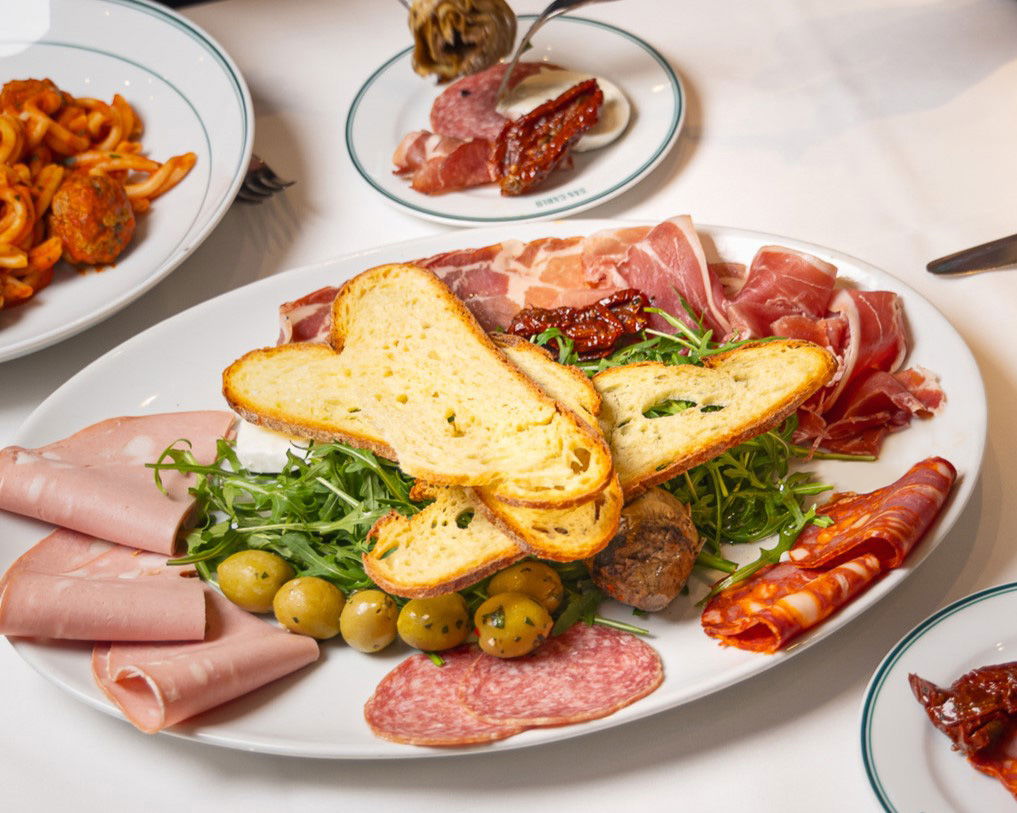
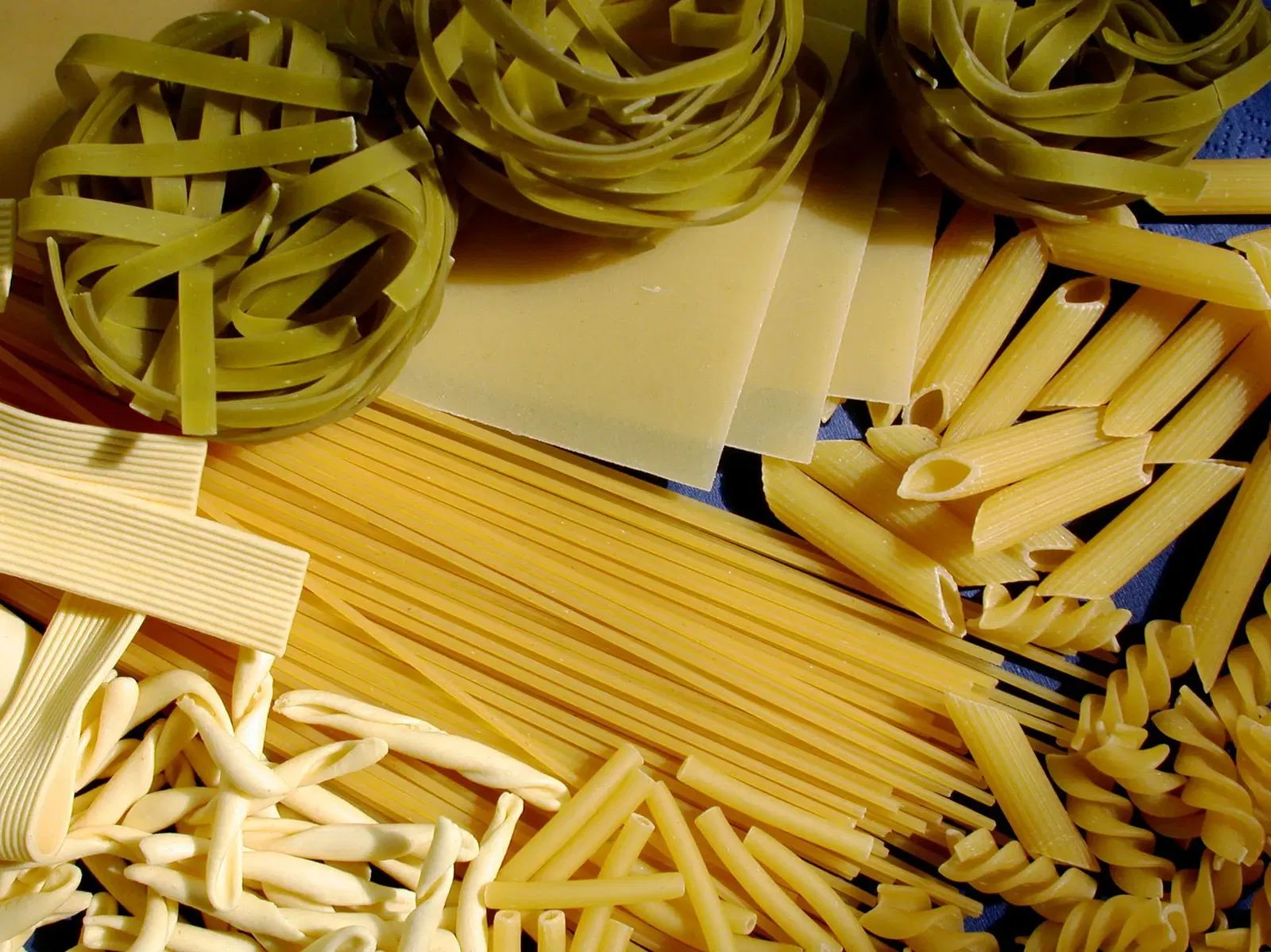
Whether you’re a “hostess with the mostess” or a novice in entertaining, creating an Italian charcuterie board is a fun and easy way to impress guests. This guide will walk you through everything you need – from selecting classic Italian meats like prosciutto and salami, to picking regional cheeses such as Parmigiano-Reggiano and Gorgonzola, plus tasty extras like olives, marinated artichokes, nuts, fruit, and crusty bread. With every element, we’ll offer flexible options for each element so you can customise your board with authentic Italian flavours and eye-catching variety that your guests are going to love.
What to Put on An Italian Cheese Board?
Before we dive into how to build an Italian charcuterie board step-by-step, let’s break down the key elements that make up a well-balanced and delicious spread.
Every board includes a mix of Italian cured meats, a selection of regional cheeses, and flavourful extras that add texture, colour, and contrast – think marinated vegetables, olives, fresh fruit, nuts, and bread or crackers. Each of these elements plays a role in creating variety and keeping your guests coming back for more.
Next, we’ll explore each of these categories in more detail and offer a few mouthwatering cheese board ideas & variations so you can mix and match to suit your taste.
Italian Cured Meats
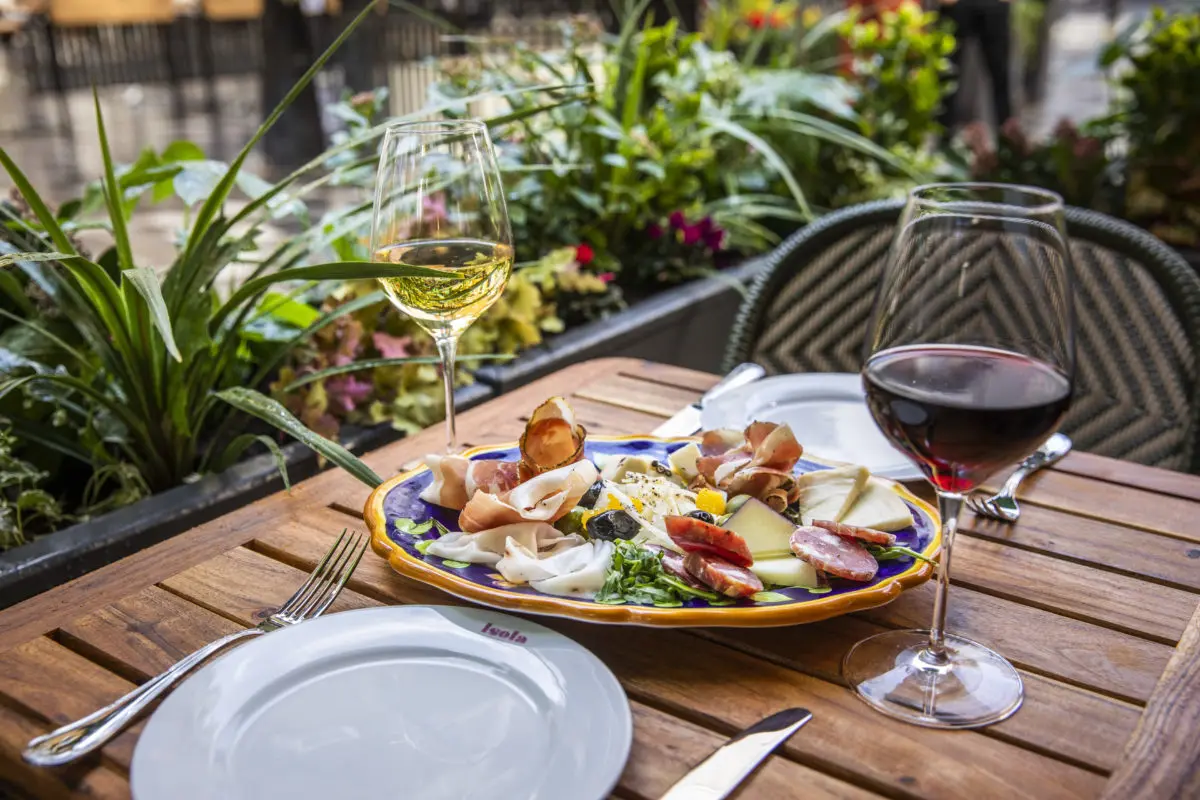
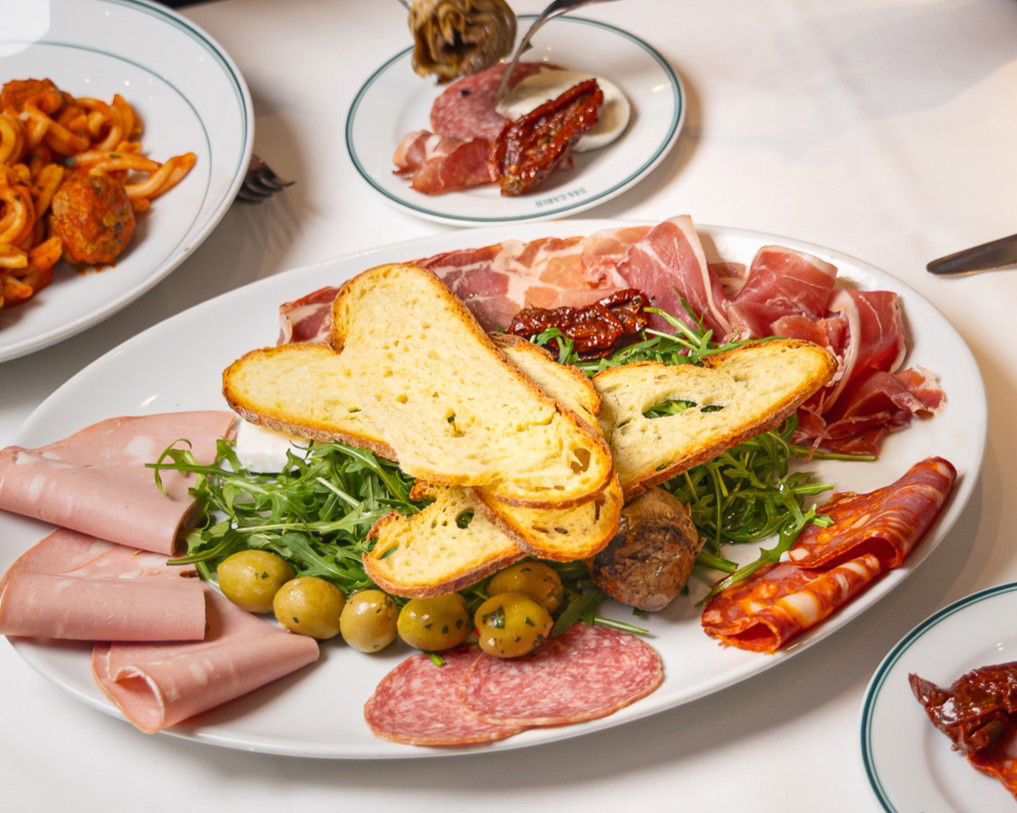
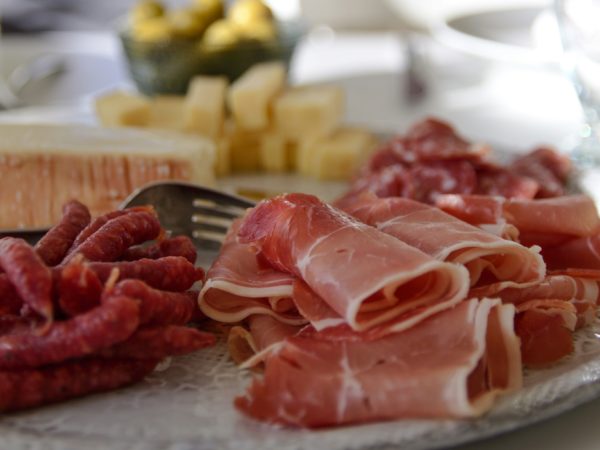
Italian cured meats bring bold, savoury flavors and rich textures to your board, offering everything from silky and delicate slices to robust, peppery bites. Knowing what meats to add to your charcuterie board will help you achieve a variety of textures – from melt-in-your-mouth prosciutto to firmer, spiced salami – keeps the board interesting and satisfying.
Here are 5 Italian cured meats to choose from:
- Prosciutto di Parma – Delicate, buttery, and salty; pairs well with melon, figs, or soft cheeses.
- Salame Milano – Mild, finely ground, and smooth; delicious with aged cheeses and olives.
- Capocollo (Coppa) – Rich and slightly spicy with a marbled texture; great with crusty bread and pickled veg.
- Speck – Smoked and cured ham with a bold, smoky flavour; pairs beautifully with hard cheeses and nuts.
- Bresaola – Lean, air-dried beef with a tender texture and mild flavor; excellent with arugula and a splash of lemon.
Italian Cheeses
Italian cheeses add depth, creaminess, and a range of flavour to your charcuterie board – from sharp and crumbly to soft and buttery. The key is to include a variety of textures and intensities to complement the meats and other extras. These cheeses pair beautifully with fresh or dried fruits, honey, nuts, crusty bread, and even a splash of balsamic glaze, creating perfect sweet-salty bites with every combination.
Here are 5 Italian cheeses to choose from:
- Parmigiano-Reggiano – Nutty, salty, and crumbly; pairs well with honey, walnuts, or prosciutto.
- Gorgonzola Dolce – Creamy, tangy blue cheese; great with pears, figs, or a drizzle of balsamic.
- Pecorino Romano – Hard, salty sheep’s milk cheese; excellent with spicy meats and olives.
- Taleggio – Soft, washed-rind cheese with a rich, buttery flavor; delicious with crusty bread and cured ham.
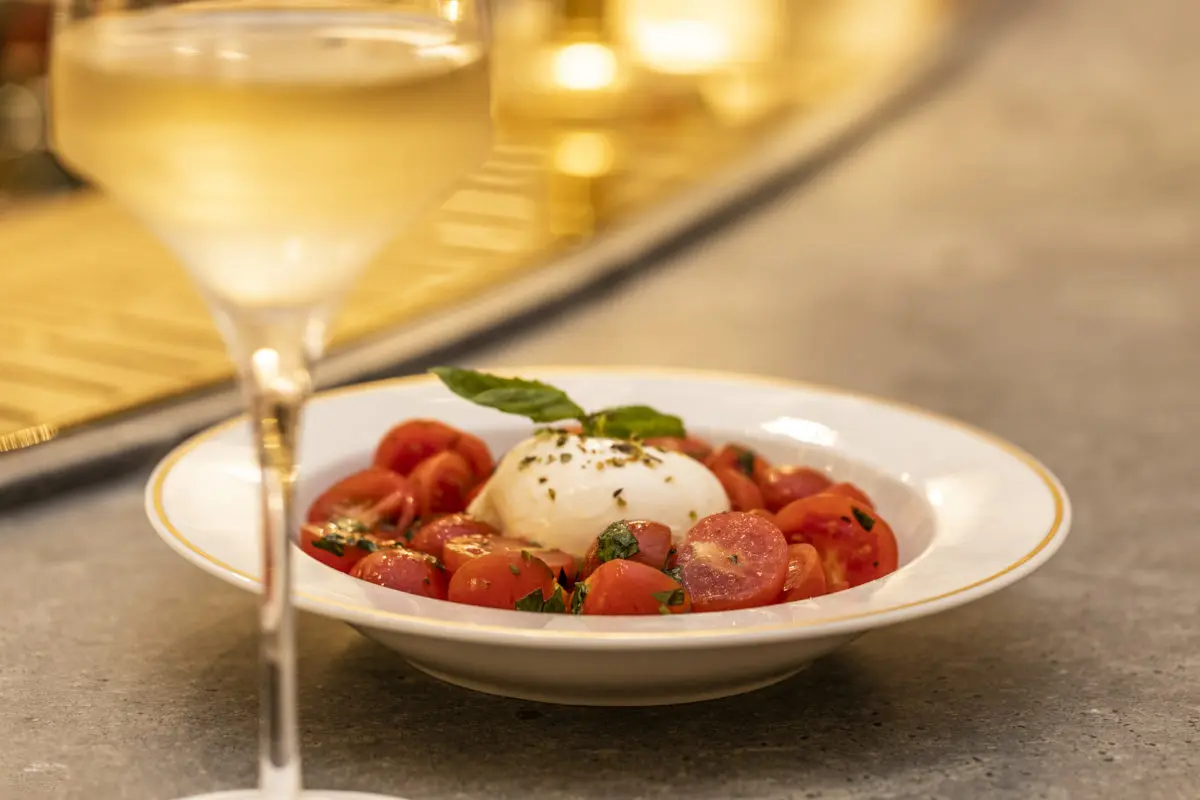
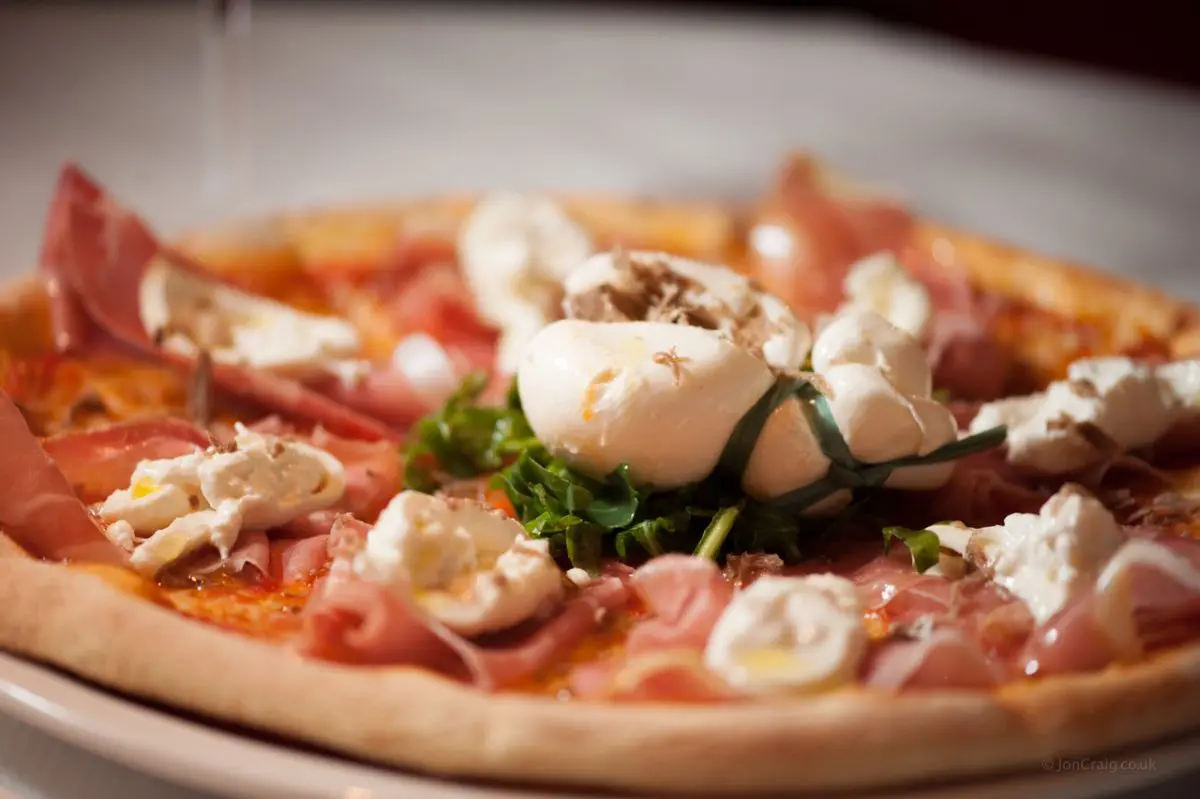
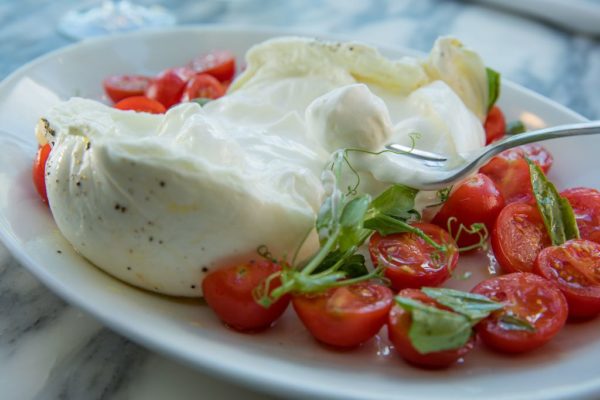
- Burrata – Creamy and fresh with a delicate flavour; perfect with cherry tomatoes, basil, or crostini.
Fresh Fruit & Vegetables
Fresh fruits and vegetables will add brightness, colour, and a refreshing contrast to the rich meats and cheeses on your Italian charcuterie board. Juicy fruits bring sweetness that balances salty or spicy bites, while crisp or marinated vegetables offer a tangy crunch that cuts through creamy textures. They’re not just tasty fillers – they enhance each bite and will make your board feel vibrant and well-rounded.
Here are 5 fresh fruits and vegetables to choose from:
- Grapes – Sweet and juicy; pair well with sharp cheeses like Pecorino or salty salami.
- Figs – Soft and honey-like; complement creamy cheeses like Gorgonzola or Burrata.
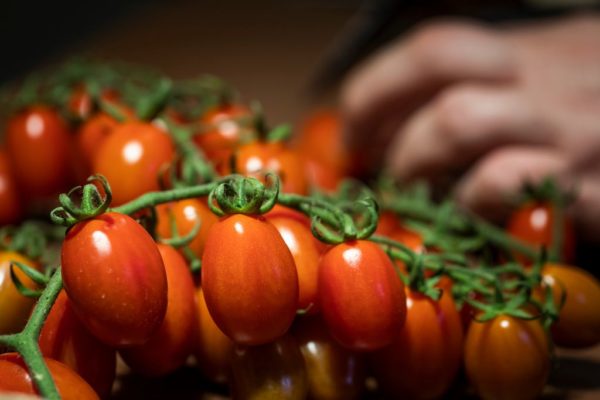
- Cherry tomatoes – Bright and juicy; great with mozzarella or prosciutto.
- Marinated artichoke hearts – Tender with a tangy kick; pair perfectly with hard cheeses and crusty bread.
- Cucumber slices – Cool and crisp; a refreshing contrast to spicy meats and rich cheeses.
Nuts, Bread and Crackers
Extras like nuts, bread, and crackers help tie everything together on an Italian charcuterie board, offering crunchy, toasty, or chewy textures that complement the richness of the meats and cheeses. They add balance, variety, and a satisfying base for stacking your favourite pairings.
Here are 5 extras to to choose from:
- Marcona almonds – Buttery and slightly salty; pair well with firm cheeses like Parmigiano-Reggiano.
- Walnuts – Earthy and crunchy; delicious with blue cheeses like Gorgonzola.
- Sliced ciabatta or baguette – Chewy and hearty; perfect for piling with meats and soft cheeses.
- Grissini (Italian breadsticks) – Light and crisp; great for wrapping with prosciutto or dipping in spreads.
- Rosemary crackers – Savoury and fragrant; pair beautifully with creamy cheeses and fruit preserves.
How to Make An Italian Charcuterie Board: A Step-by-Step Guide
Now you’ve got all the ingredients for your charcuterie board, the next step is putting it all together!
Building an Italian charcuterie board is all about layering flavour, texture, and visual appeal. Start with the largest elements first and work your way down to the smaller details, aiming for balance and variety across the board.
Follow these 5 simple steps to bring it all together:
Step 1: Choose your board and layout – Use a wooden board, slate, or large platter, and plan where your main elements will go.
Step 2: Arrange the cheeses – Place your cheeses around the board, spacing them out and cutting some into slices or chunks for easy grabbing.
Step 3: Add the cured meats – Fold or roll meats your chosen meats, and nestle them near cheeses they pair well with.
Step 4: Fill in with fruits, veggies, and extras – Add pops of colour and freshness with fresh and/or marinated fruits and vegetables.
Step 5: Finish with nuts, bread, and crackers – Tuck in crunchy elements and carbs to fill gaps and create layers of texture throughout your board.
All that’s left to do is pair with your favourite wine, serve and enjoy with good company.




 CLOSE
CLOSE