Easter in Italy is one of the country’s most important celebrations, bringing together family, tradition and incredible food around the table. Across different regions of Italy, Easter Sunday lunches are often long, relaxed occasions filled with seasonal dishes, rich desserts and recipes passed down through generations.
From rustic breads and slow-cooked lamb to sweet Easter cakes and spring vegetables, Italian Easter food reflects the warmth, hospitality and regional traditions that define Italian dining culture.
Whether you’re discovering Italian Easter traditions for the first time or looking for inspiration for your own Easter celebrations, here are some of the most loved Italian Easter foods traditionally enjoyed throughout Italy.
Traditional Italian Easter Foods for a Family Feast
Italian Easter dining is centred around sharing generous dishes with family and friends. Many Easter recipes are deeply regional, with different parts of Italy celebrating in their own distinctive ways.
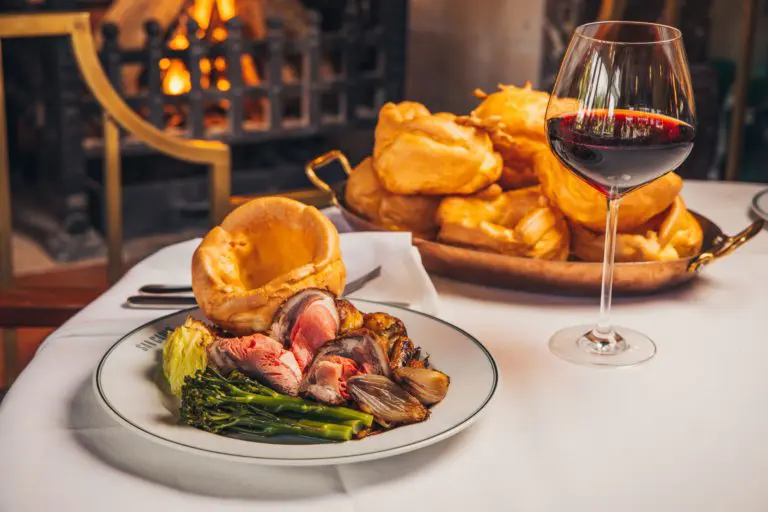
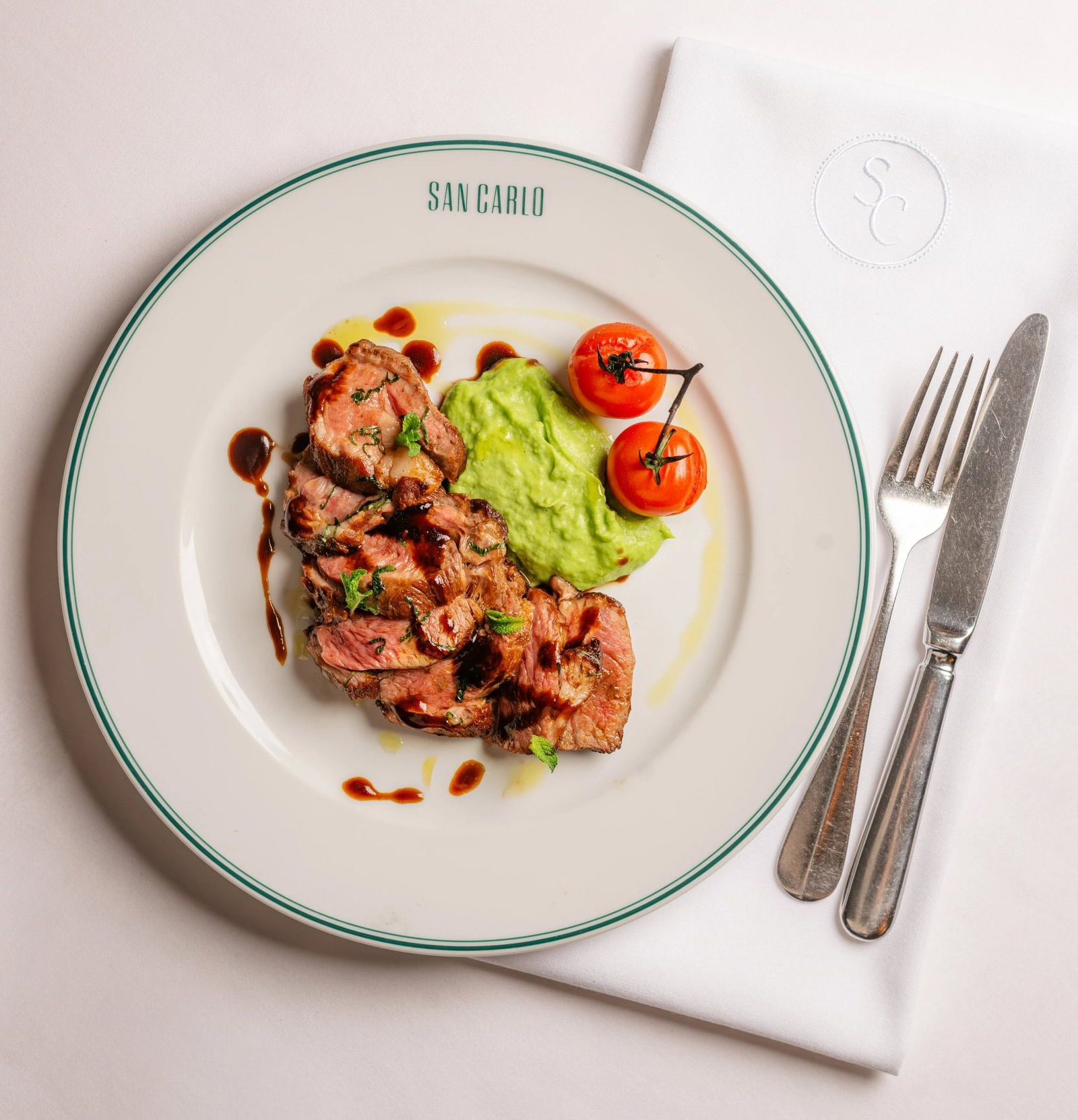
1. Italian Style Lamb
Lamb is one of the most traditional dishes served during Easter across Italy.
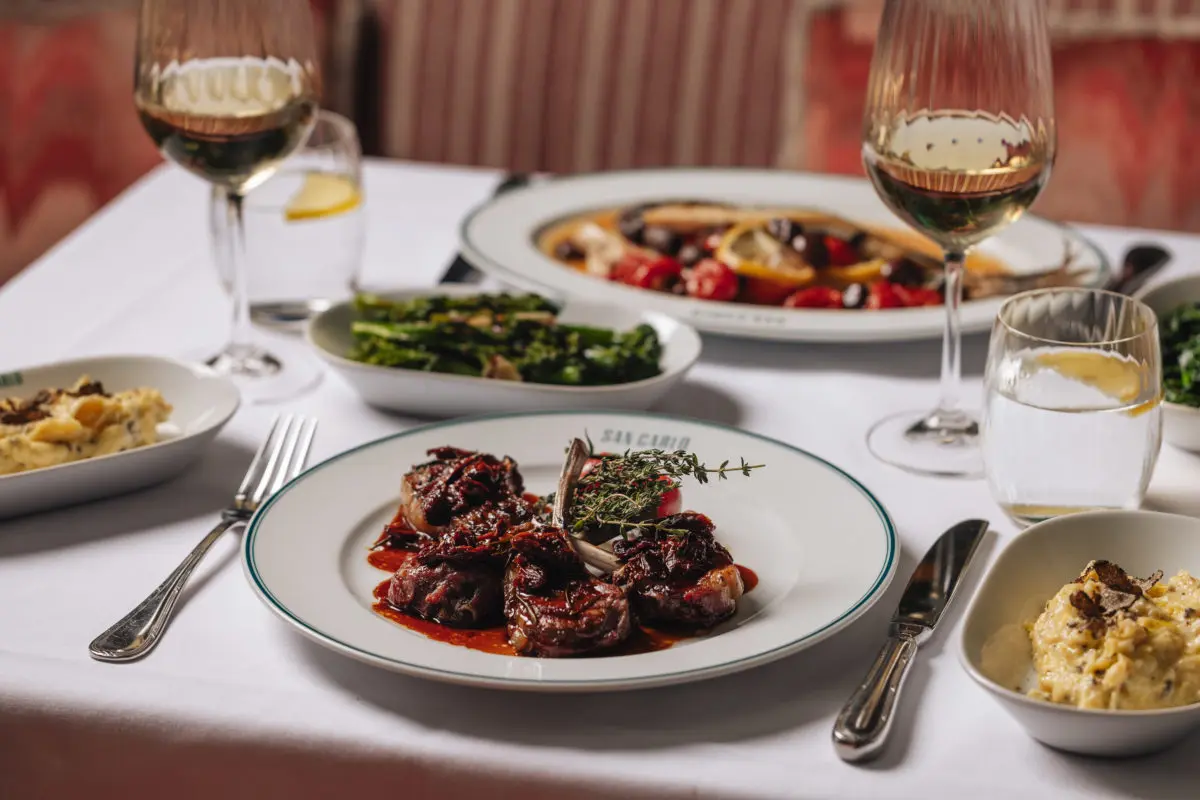
Often slow cooked with garlic, rosemary, olive oil and wine, lamb represents renewal and celebration and is commonly served as the centrepiece of Easter Sunday lunch.
In regions including Lazio, Tuscany and Abruzzo, roasted lamb is traditionally paired with seasonal potatoes, spring vegetables and rich pan sauces.
Whether served simply grilled or cooked slowly for hours, lamb remains one of the defining dishes of Italian Easter dining.
2. Italian Easter Egg Dishes
Eggs hold deep symbolic meaning during Easter in Italy and appear in many traditional dishes throughout the season.
One of the best known Italian Easter dishes is:
Torta Pasqualina
Originally from Liguria, this savoury pie combines spinach, ricotta and whole baked eggs inside delicate pastry.
Other popular Easter egg dishes include:
- frittatas with asparagus
- baked egg dishes
- ricotta and herb pies
- rustic vegetable tarts
These dishes are often served during Easter lunch as antipasti or lighter spring courses.
3. Spring Vegetables & Seasonal Produce
Italian Easter menus heavily celebrate spring ingredients and fresh seasonal produce.
Popular Easter vegetables include:
- asparagus
- globe artichokes
- broad beans
- peas
- courgettes
- spring herbs
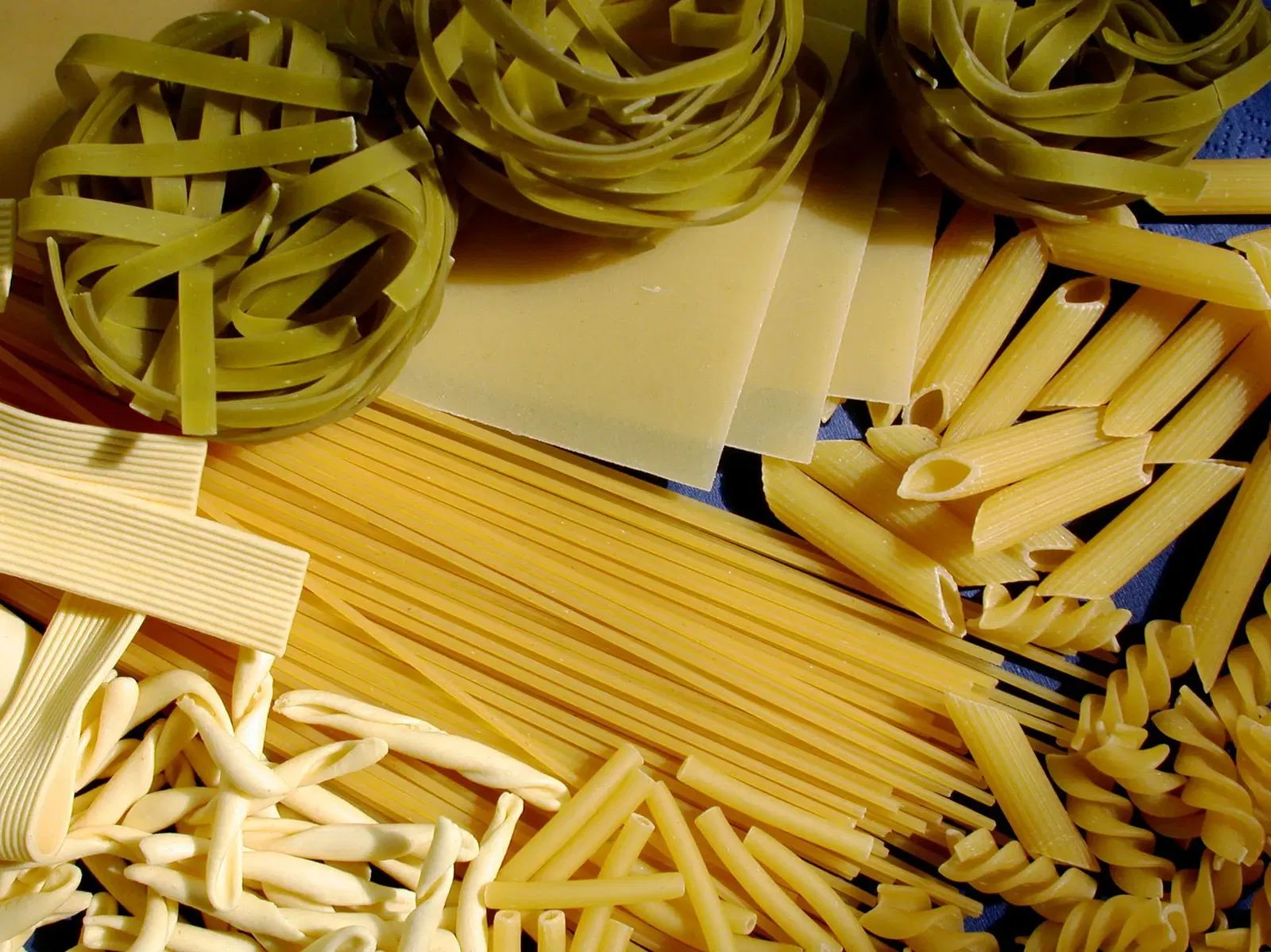
Across Italy, these ingredients are used in pasta dishes, risottos, salads and antipasti plates designed around freshness and simplicity.
Spring vegetables bring colour and balance to richer Easter dishes and help create the relaxed seasonal feeling associated with Italian Easter dining.
4. Italian Easter Cakes & Desserts
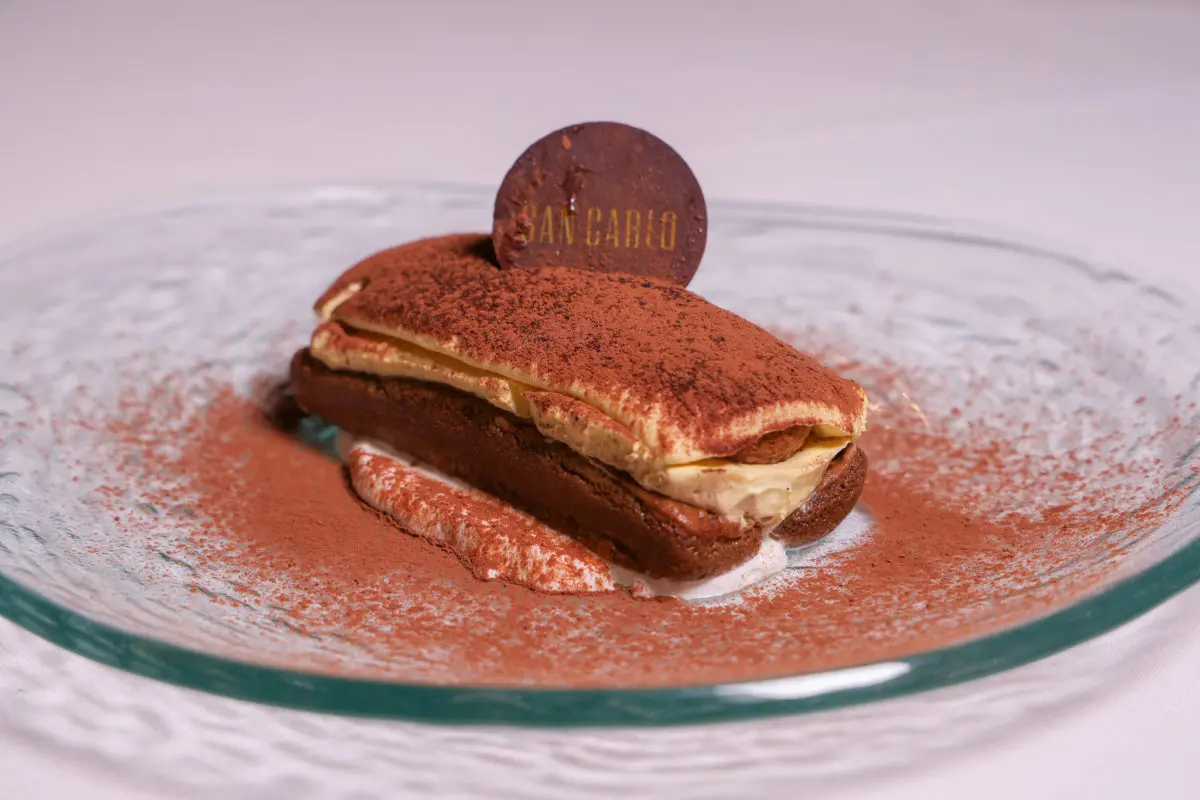
Italian Easter desserts are an important part of Easter celebrations and vary widely across different regions.
Colomba di Pasqua
One of Italy’s most traditional Easter cakes, Colomba is a soft sweet bread shaped like a dove and topped with almonds and sugar.
Often compared to panettone, Colomba is enjoyed across Italy throughout Easter weekend.
Other popular Italian Easter desserts include:
- ricotta cakes
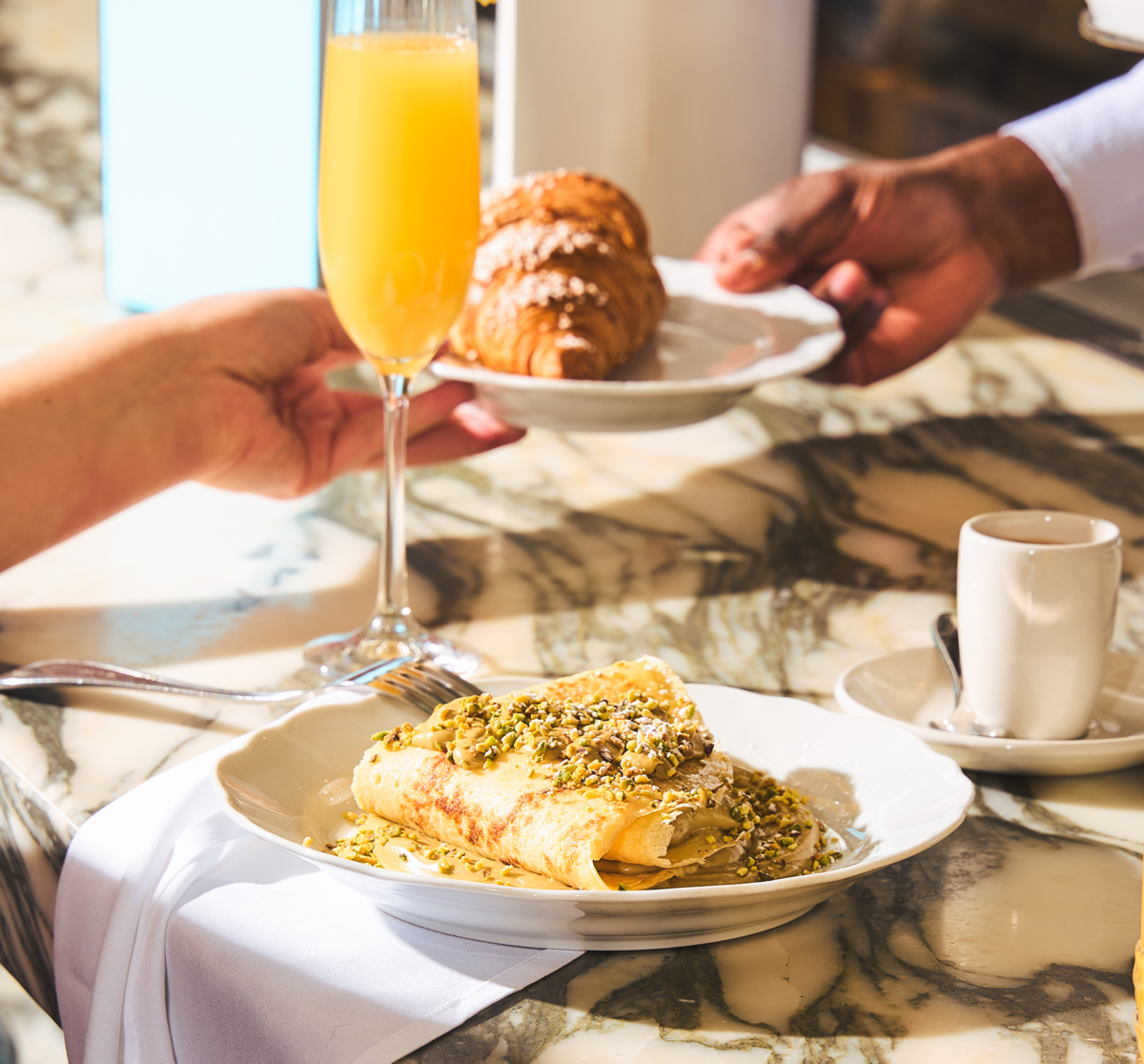
- pistachio desserts
- citrus cakes
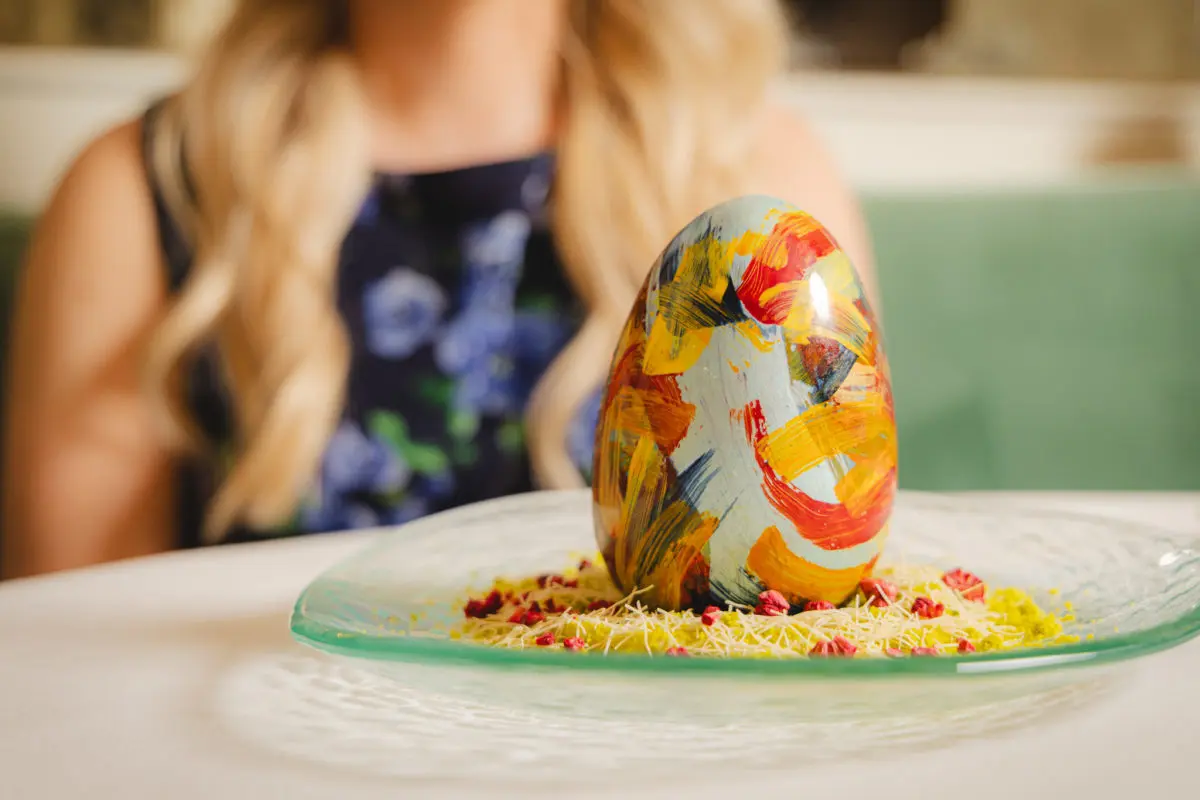
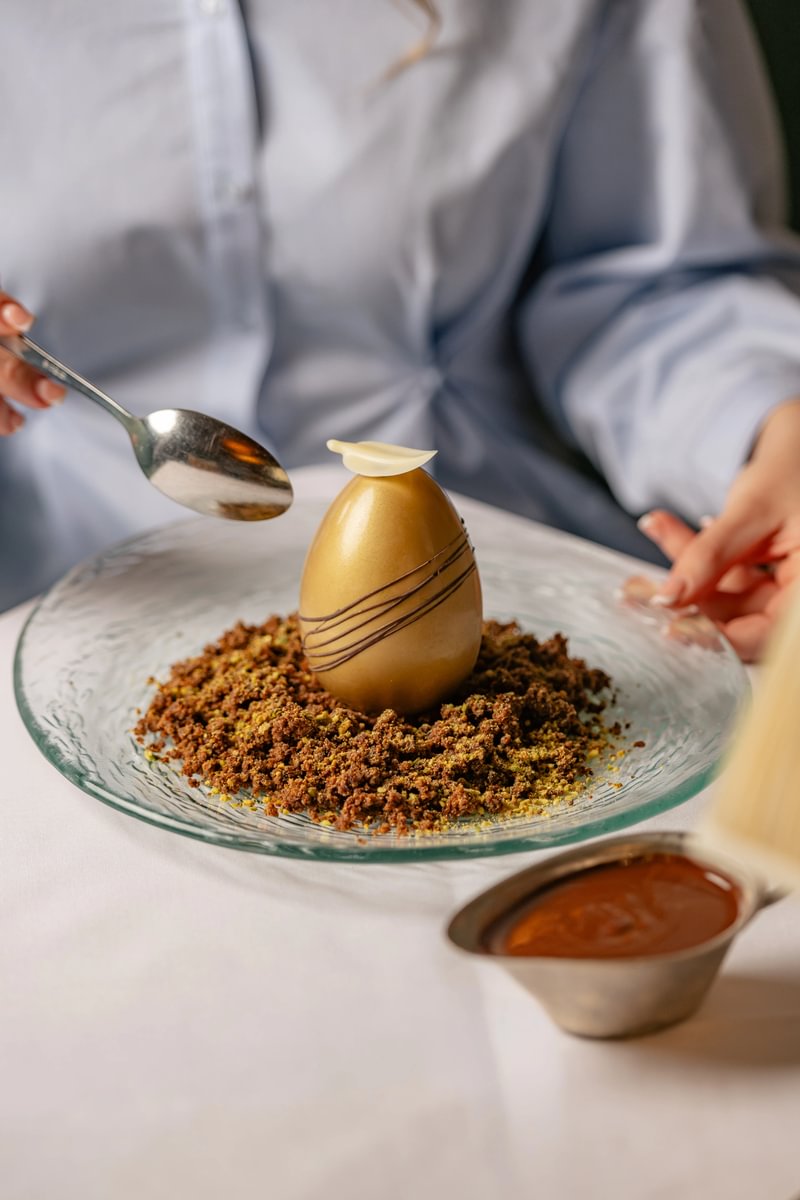
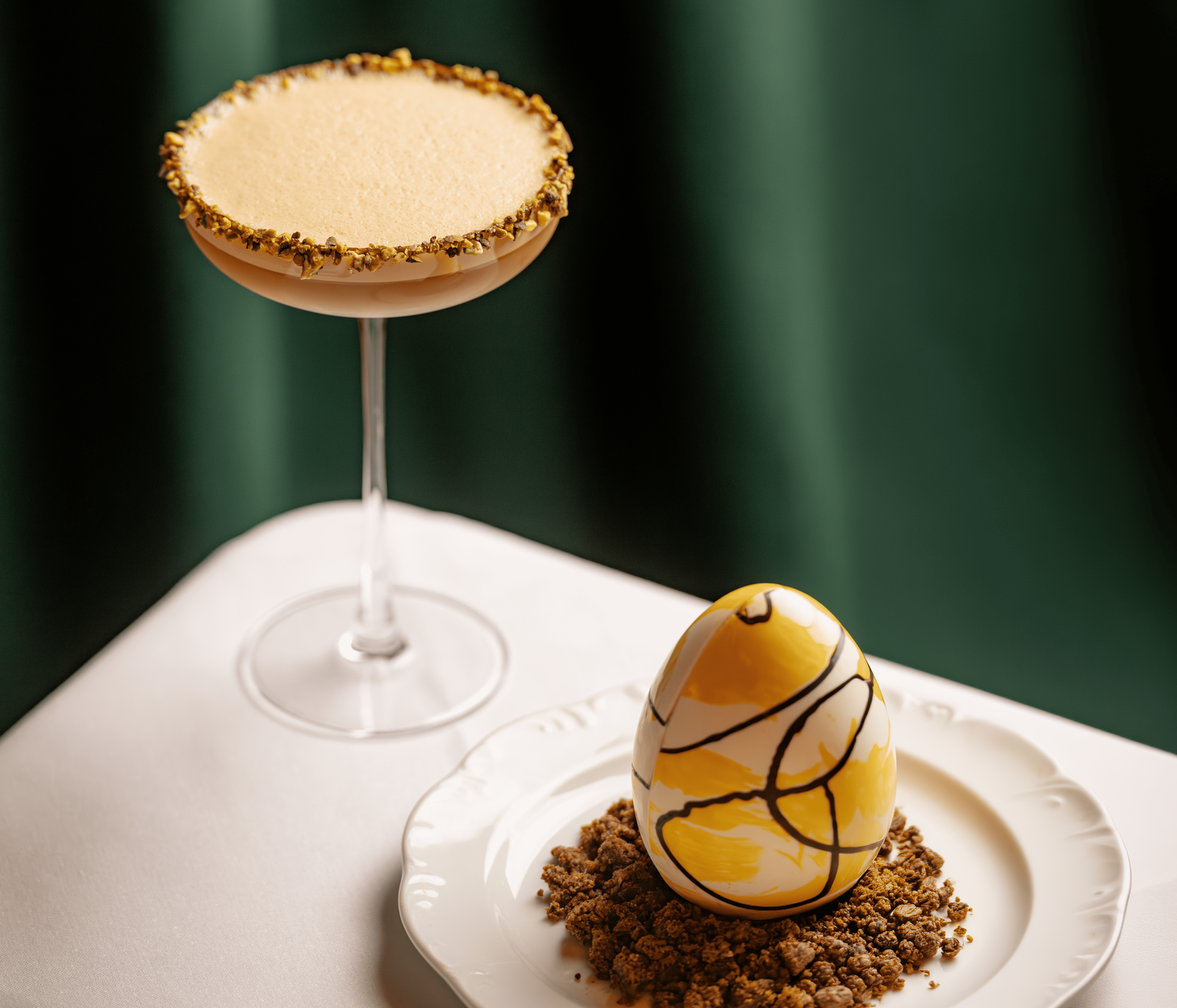
- chocolate Easter creations
- sweet Easter breads
Italian Easter lunches traditionally finish with espresso, desserts and digestifs shared around the table with family and friends.
5. Traditional Italian Easter Bread
Easter bread plays a major role in Italian Easter celebrations.
Casatiello
A rich savoury bread from Naples made with cheese, cured meats and eggs baked into the dough.
Pane di Pasqua
A sweeter Easter bread often flavoured with citrus and spices.
Many Easter breads are deeply connected to regional identity and family tradition, with recipes handed down across generations.
Served warm or sliced throughout the day, these breads are central to Italian Easter gatherings.
6. Italian Easter Pies & Rustic Baking
Rustic pies and savoury bakes are another traditional part of Easter dining across Italy.
These dishes often combine:
- ricotta
- spinach
- eggs
- cured meats
- seasonal vegetables
Prepared in advance and served throughout Easter weekend, they reflect the relaxed and sociable nature of Italian family dining.
In many Italian homes, Easter tables are filled with sharing dishes designed for grazing, conversation and long lunches that continue into the afternoon.
Easter Dining Traditions Across Italy
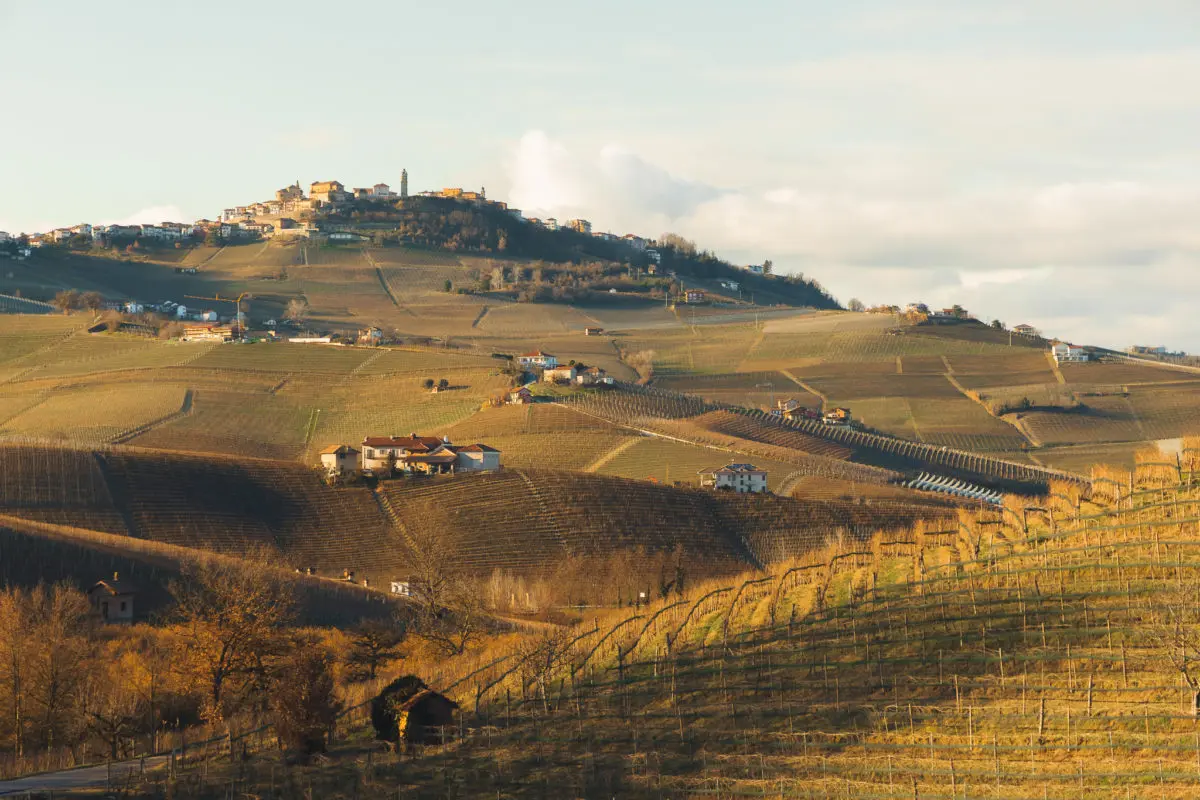
Every region of Italy celebrates Easter slightly differently.
Naples
Known for rich Easter breads, ricotta pies and traditional family lunches.
Sicily
Celebrates Easter with citrus desserts, pistachio sweets and seafood influenced dishes.
Tuscany
Famous for roasted meats, rustic breads and seasonal vegetables.
Northern Italy
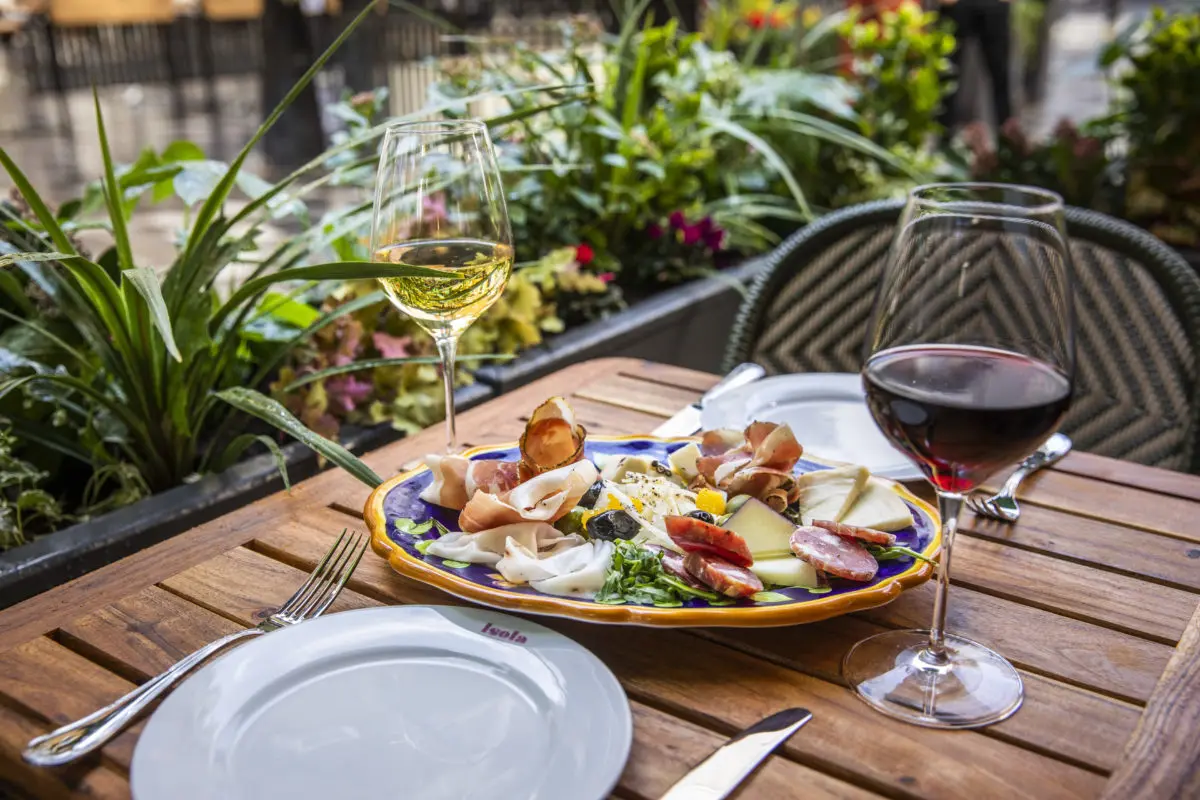
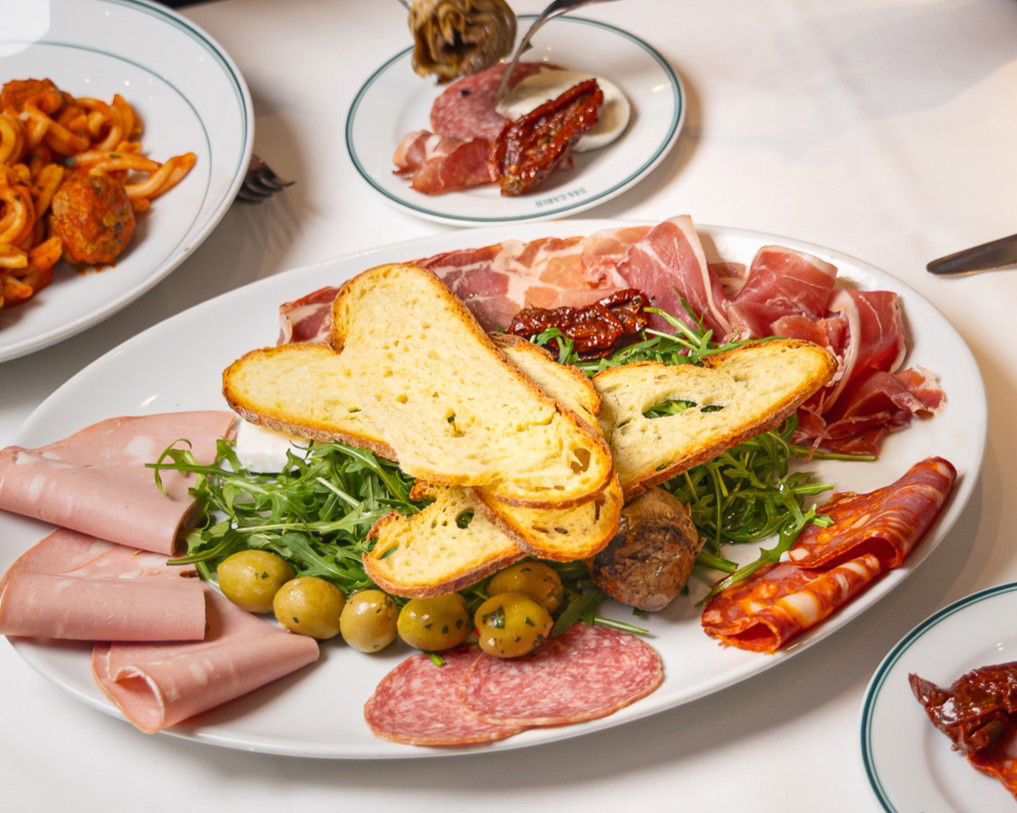
Traditionally serves risottos, cheeses, cured meats and lighter spring dishes.
These regional traditions are part of what makes Italian Easter food so diverse and deeply connected to local culture.
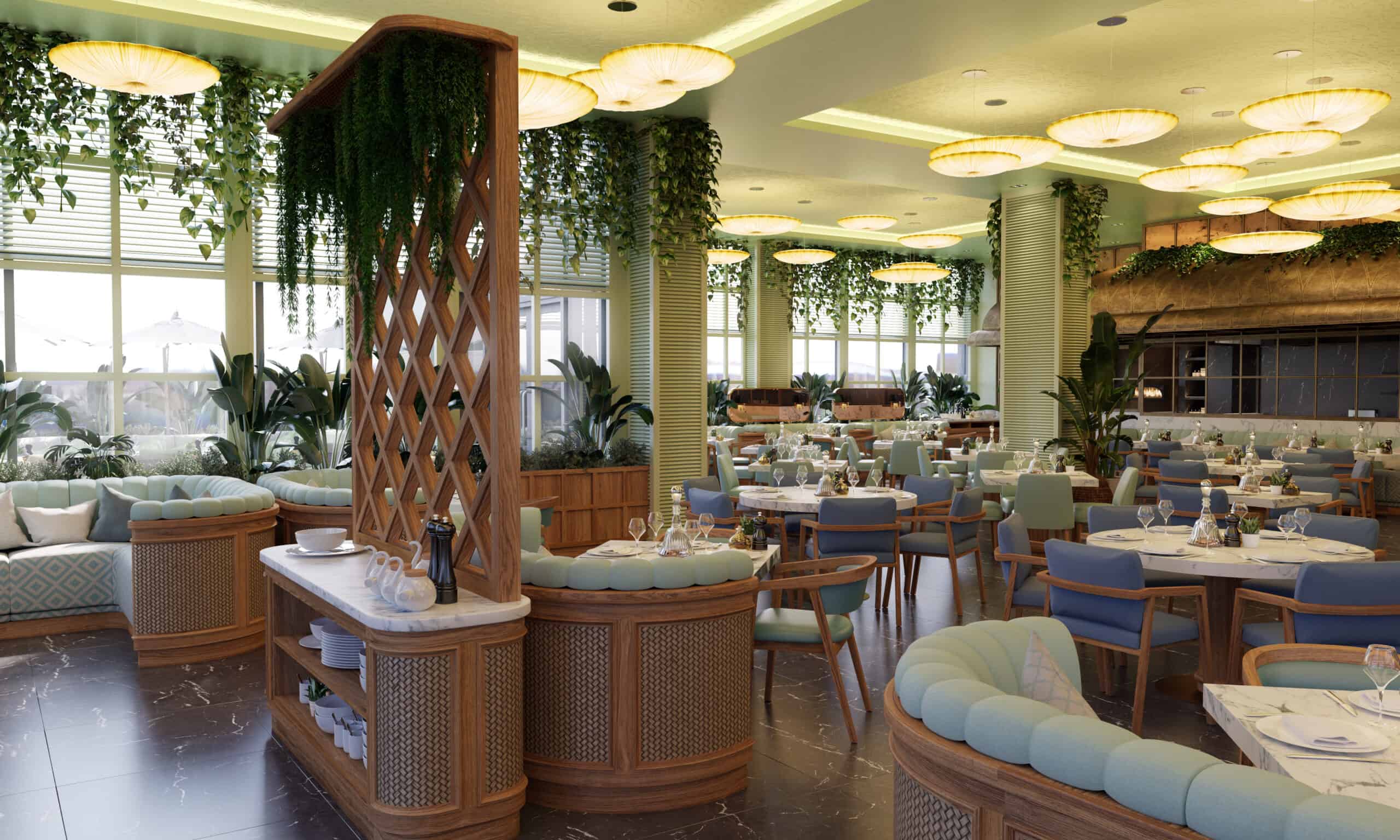
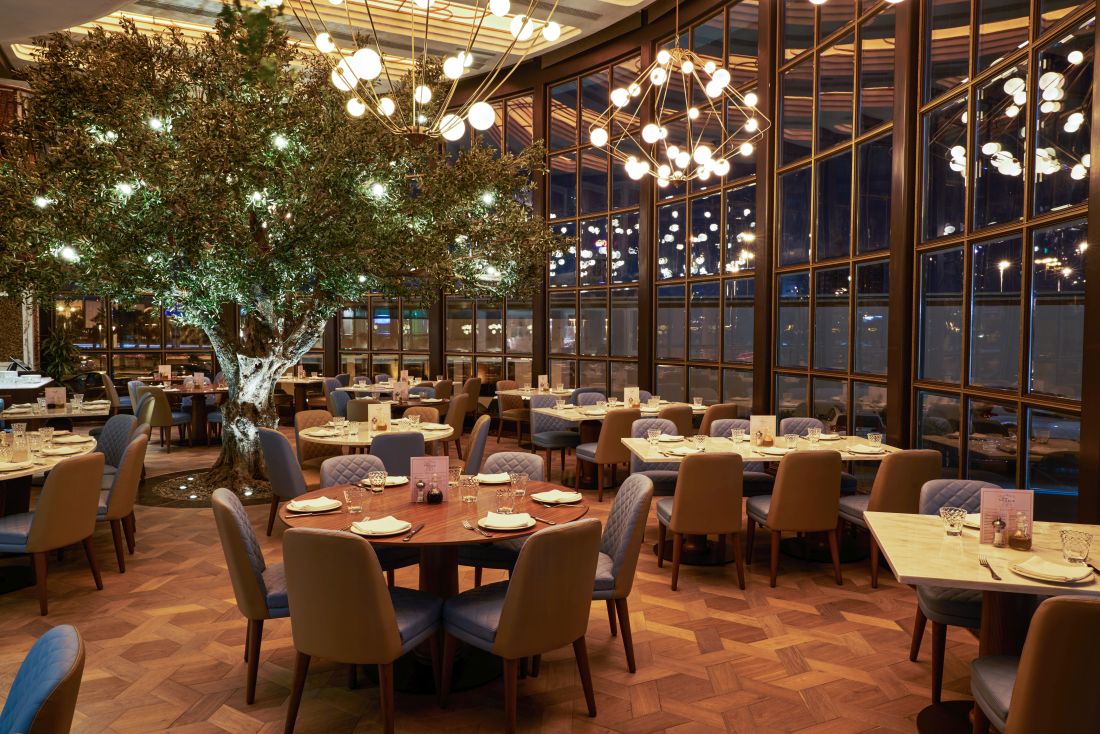
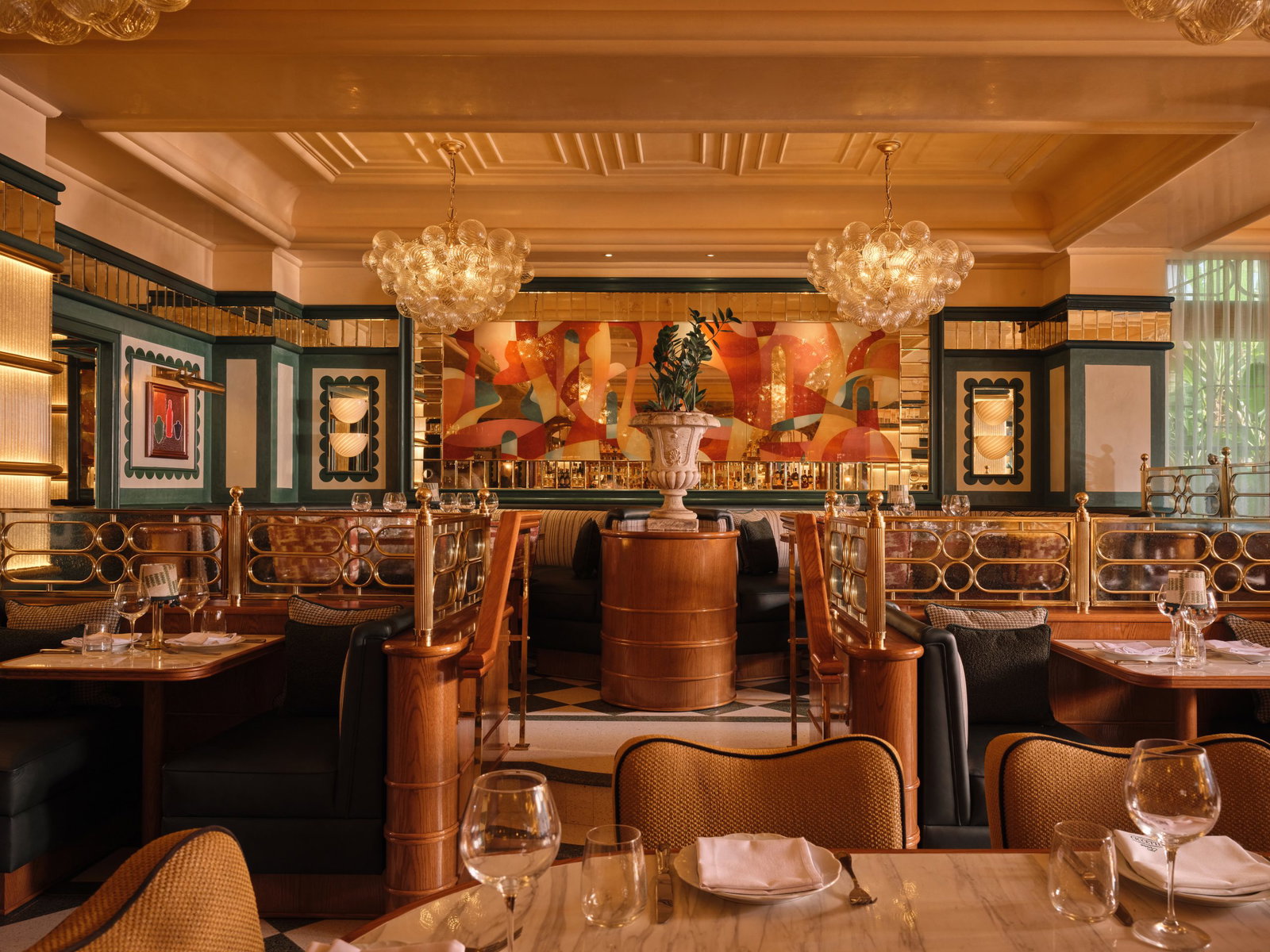
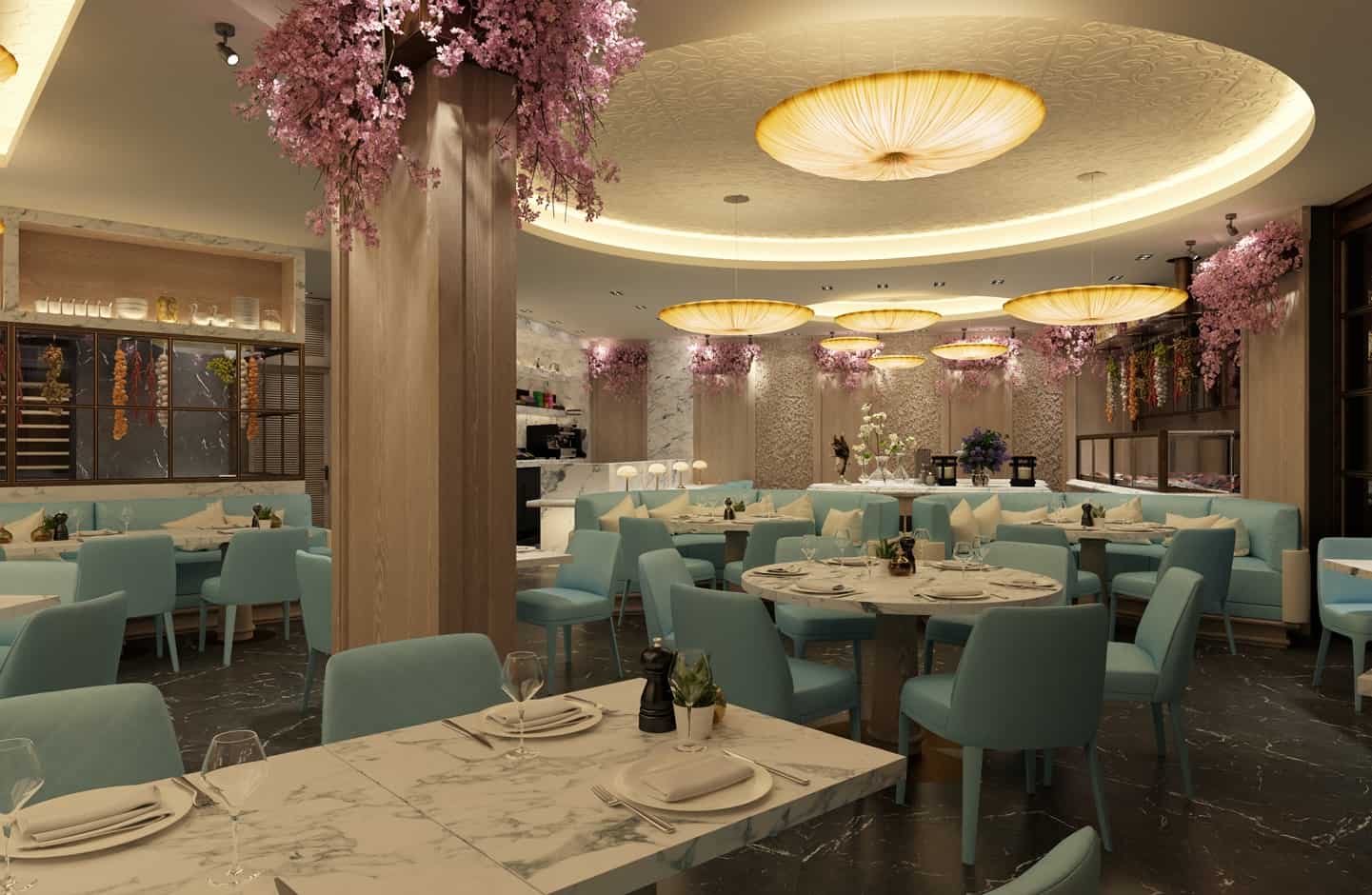
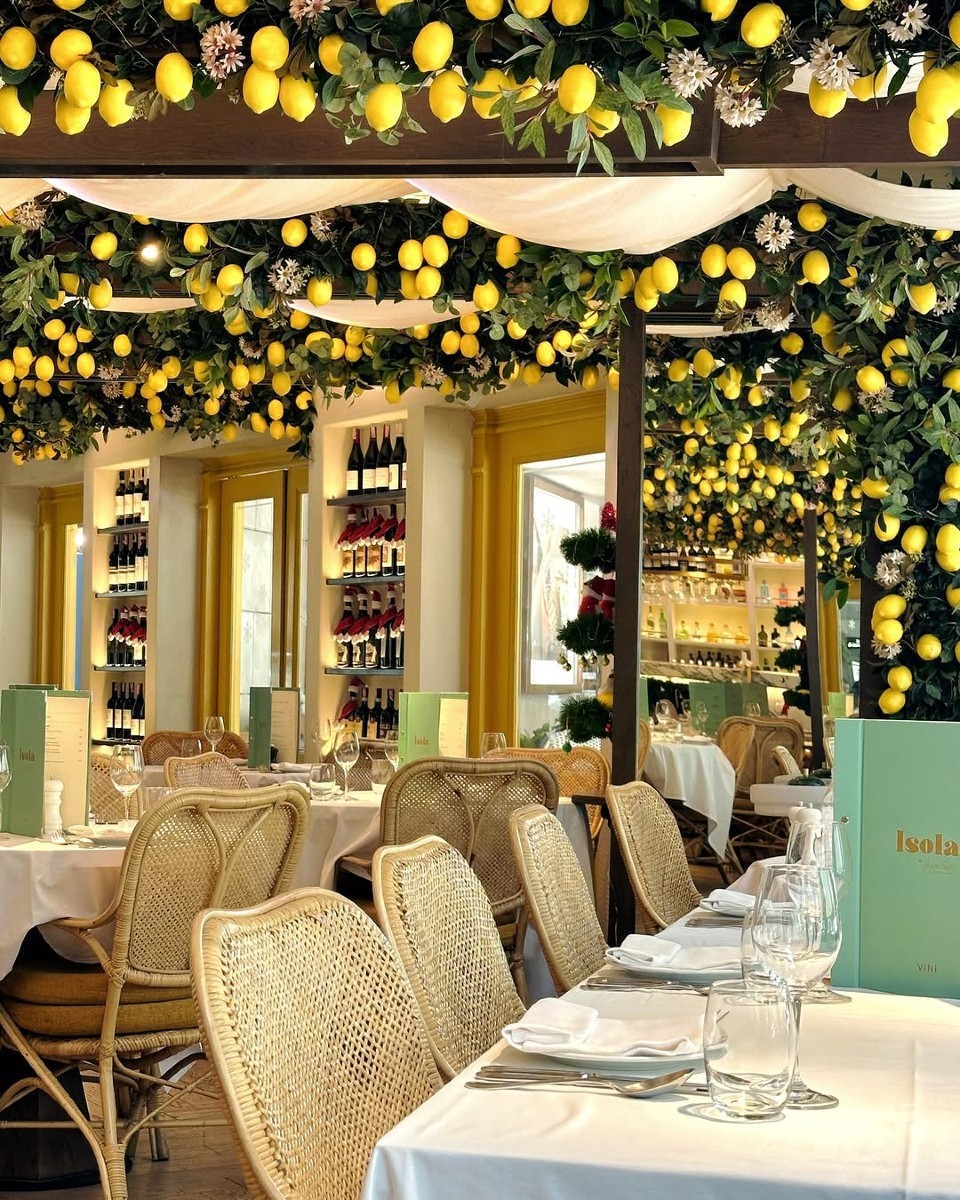
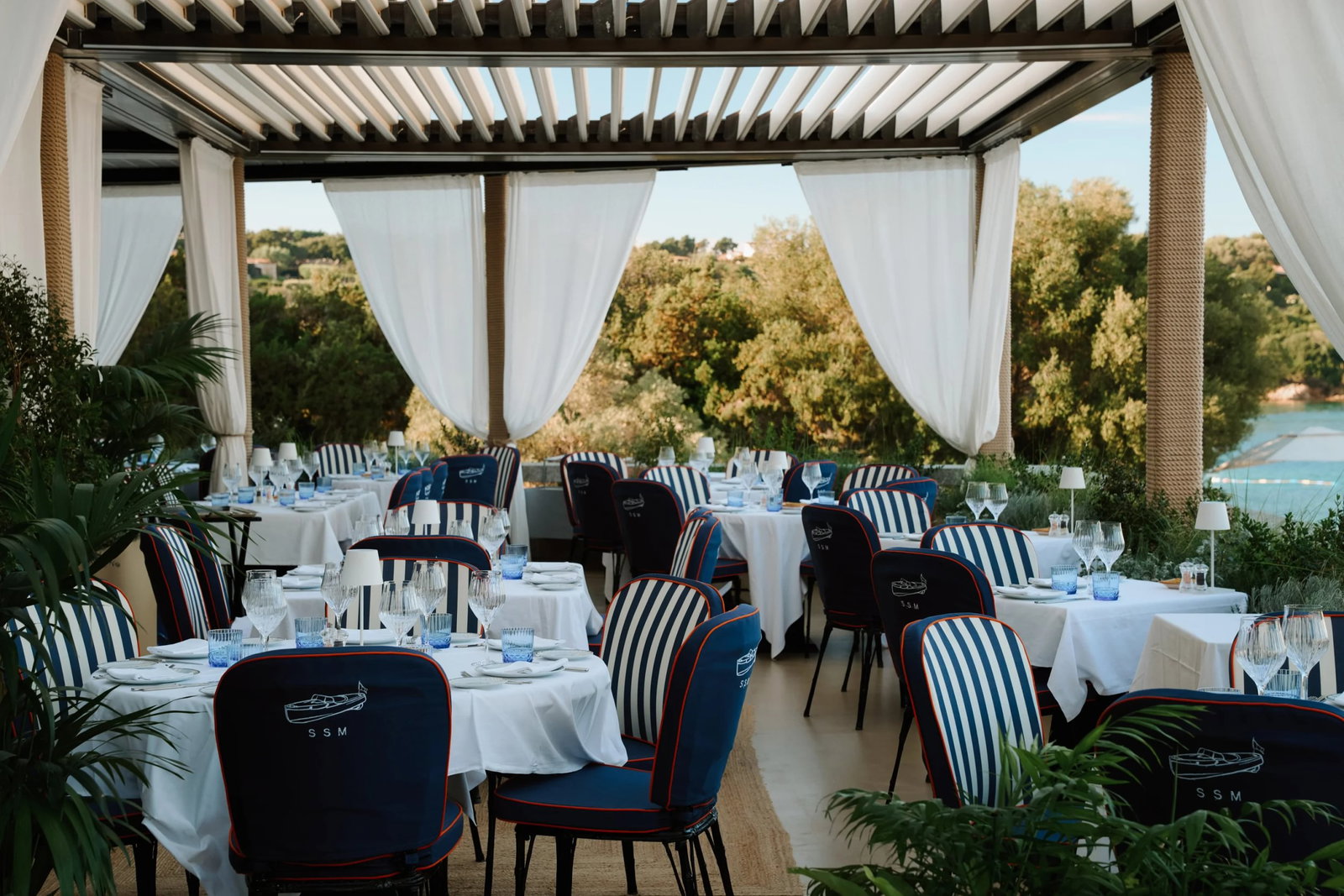
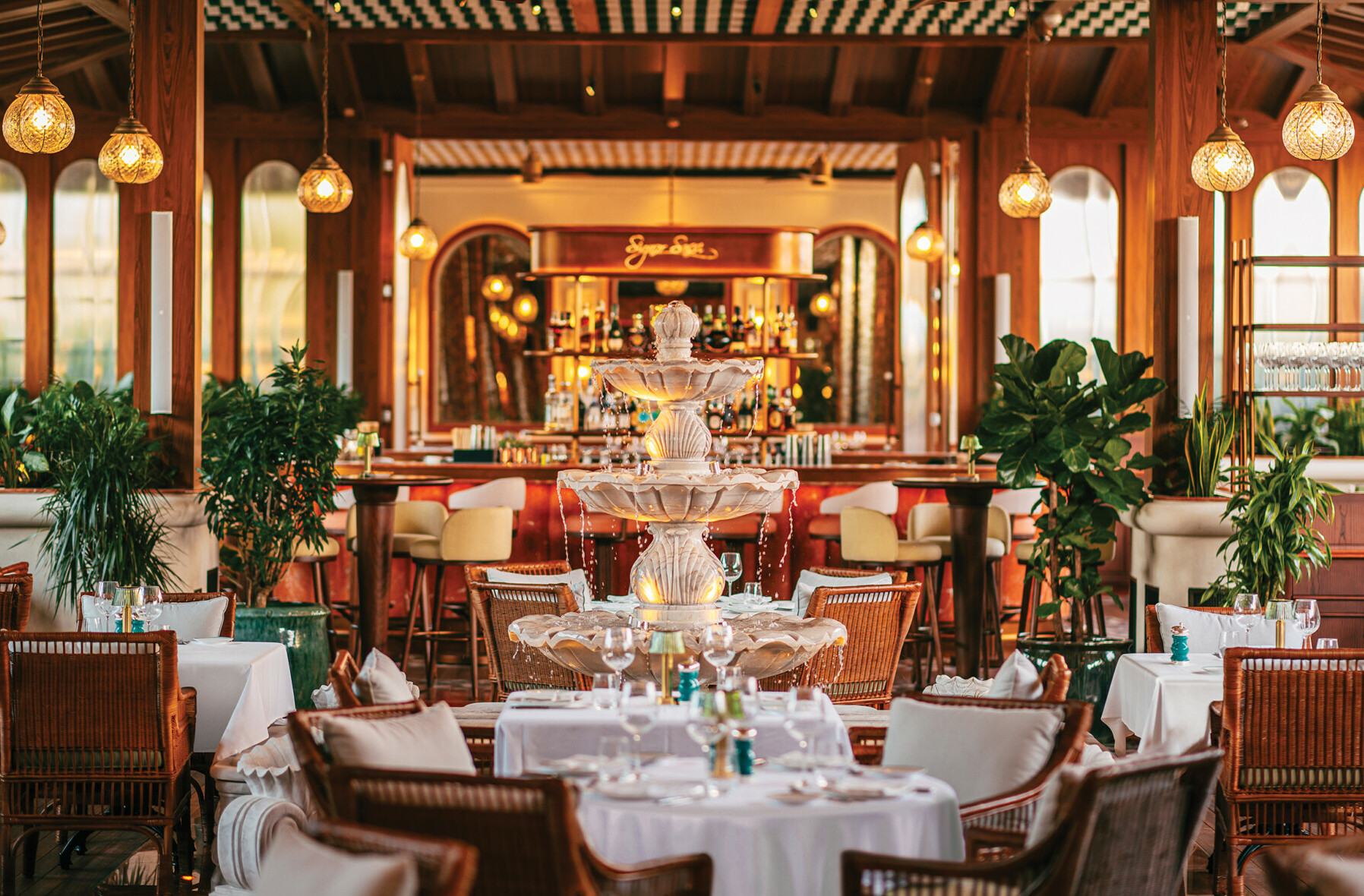
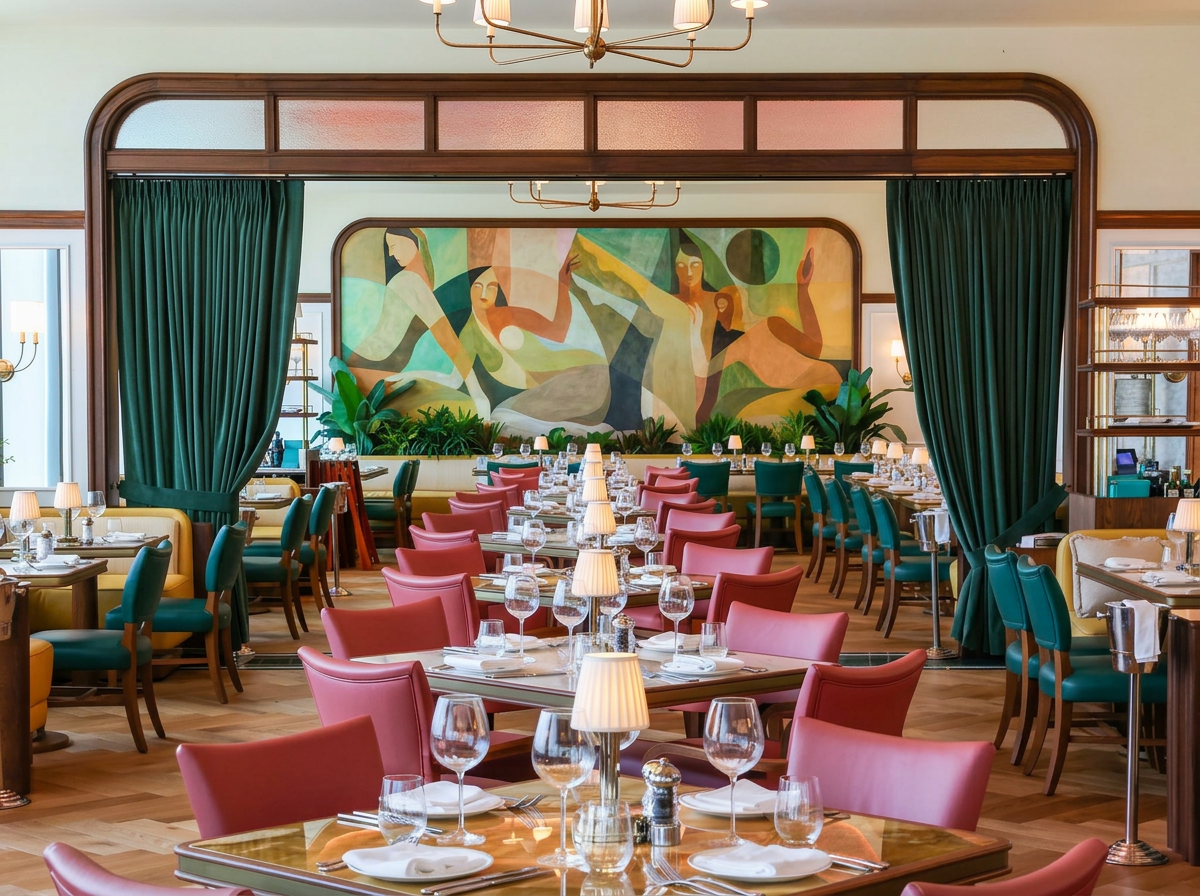
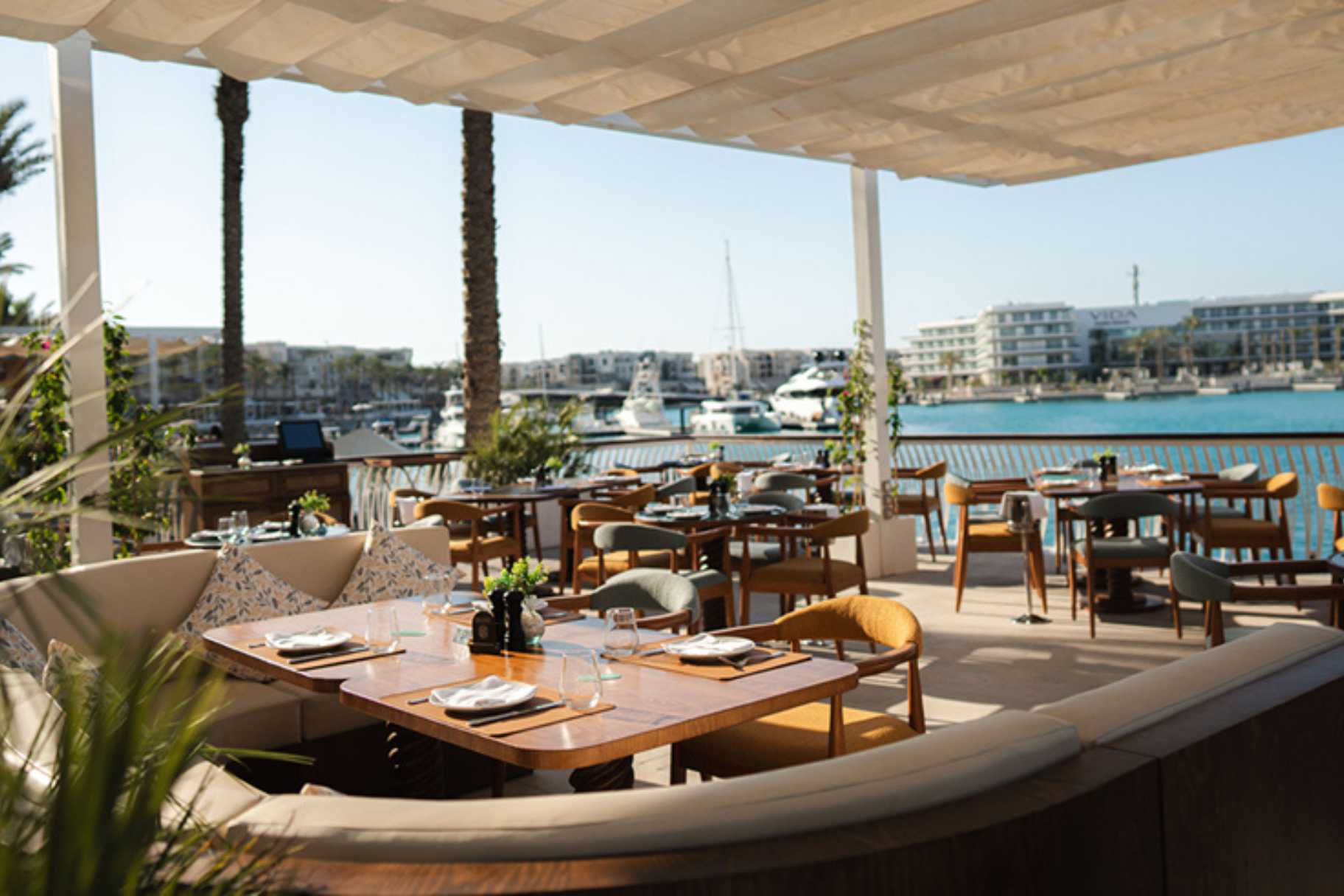
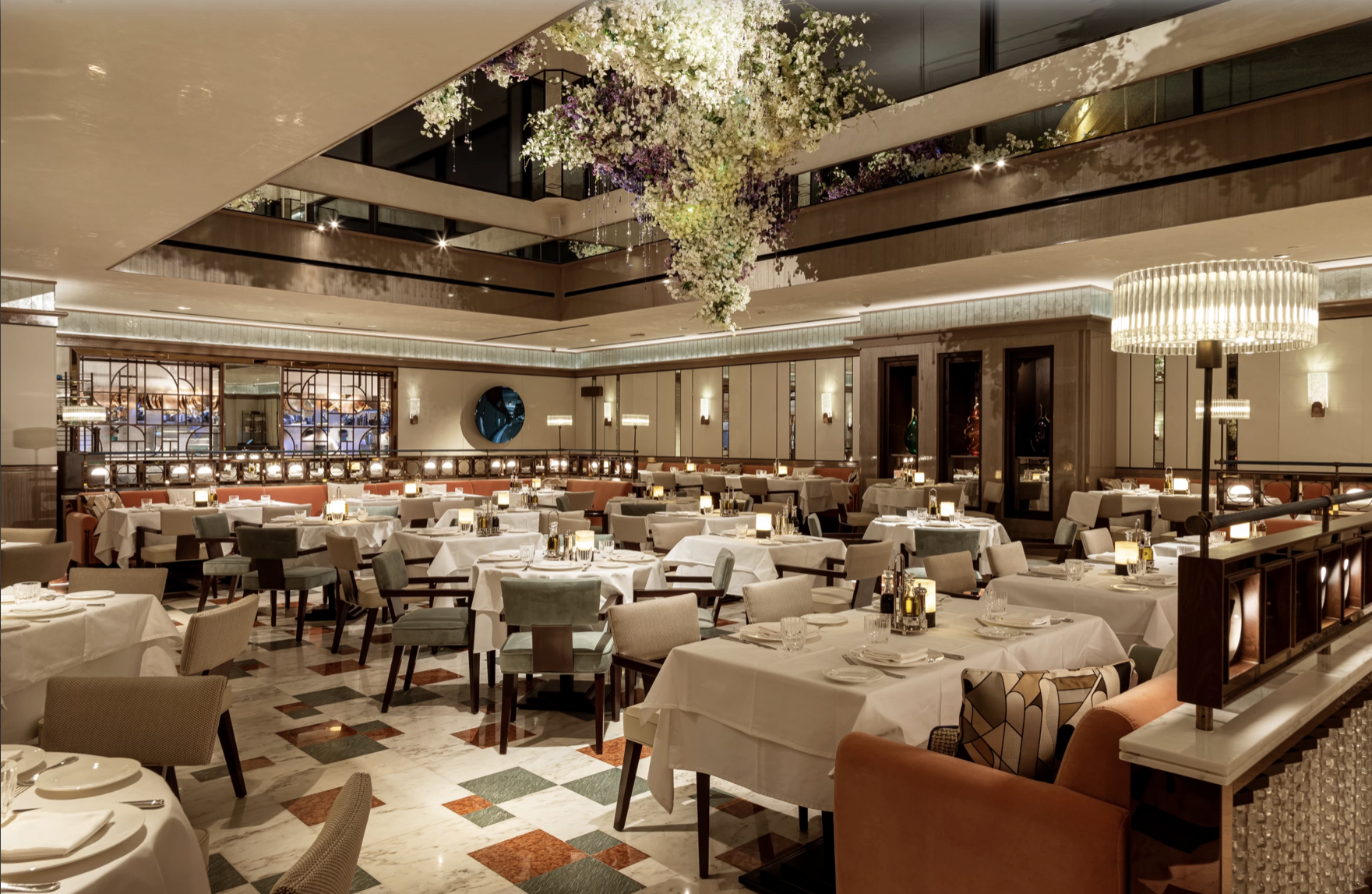
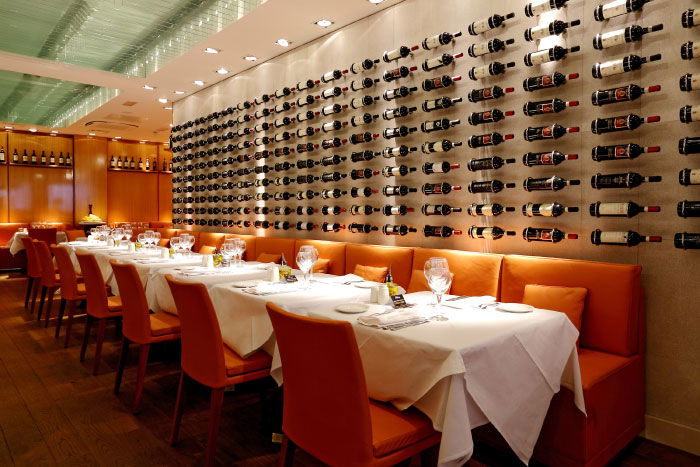
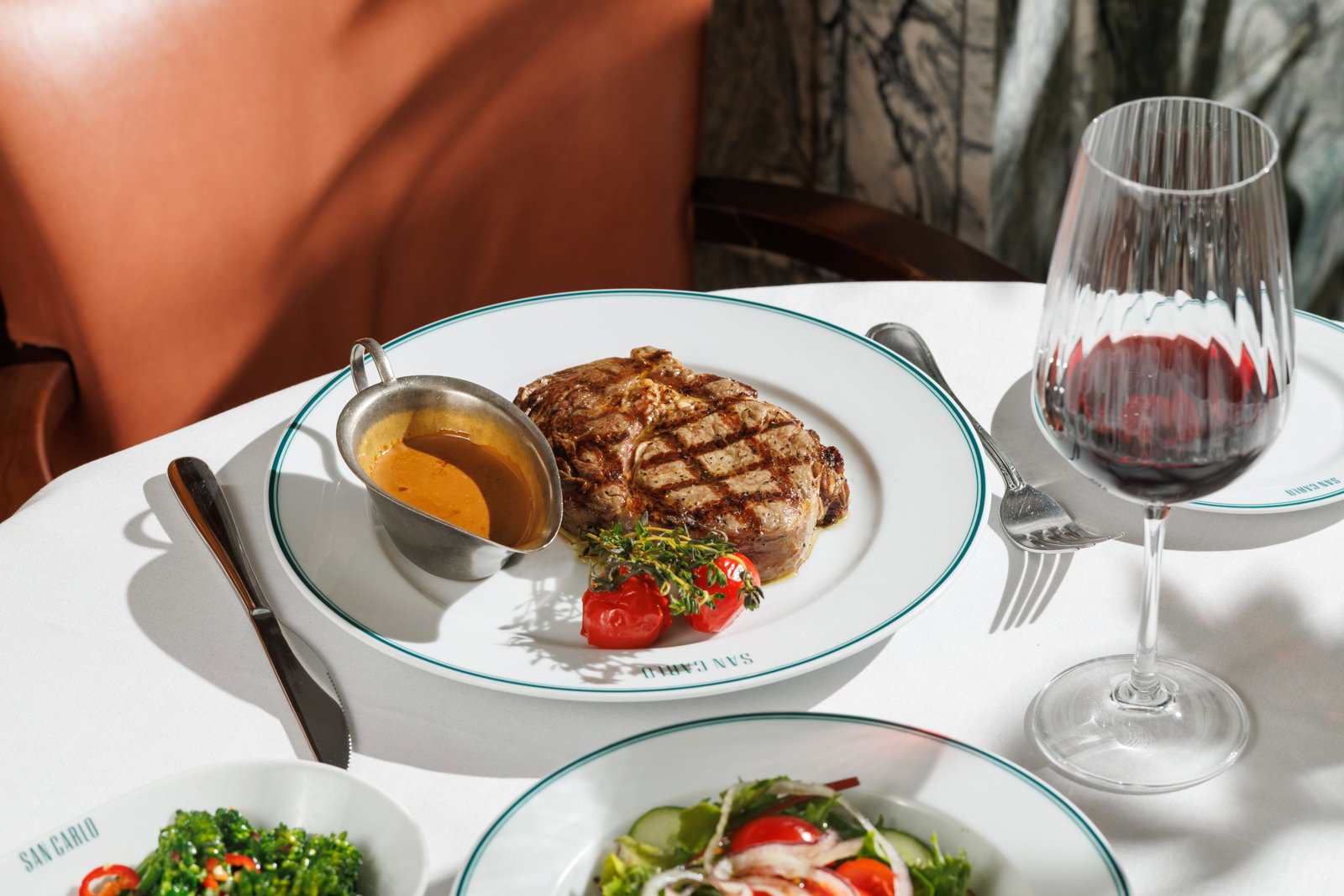
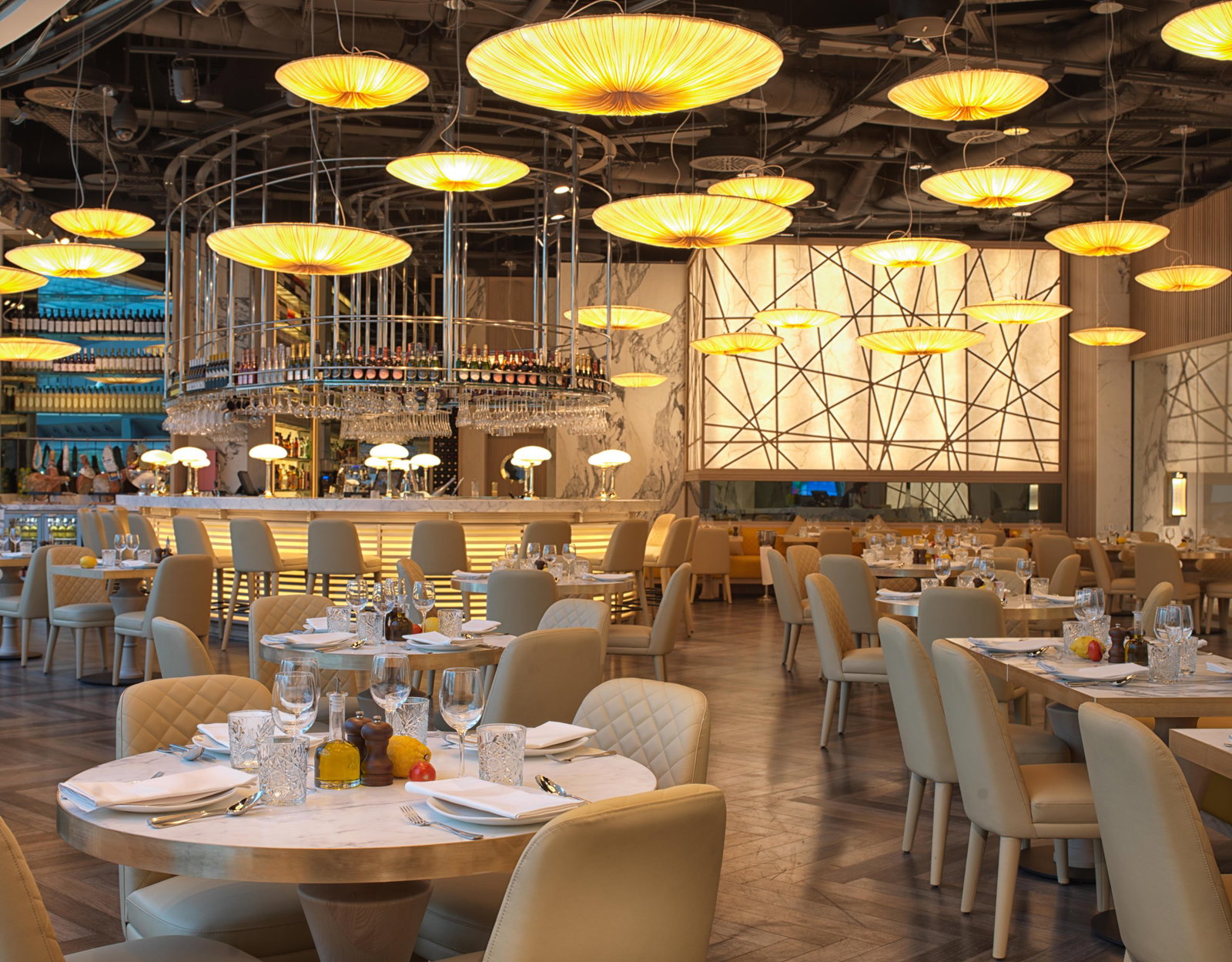
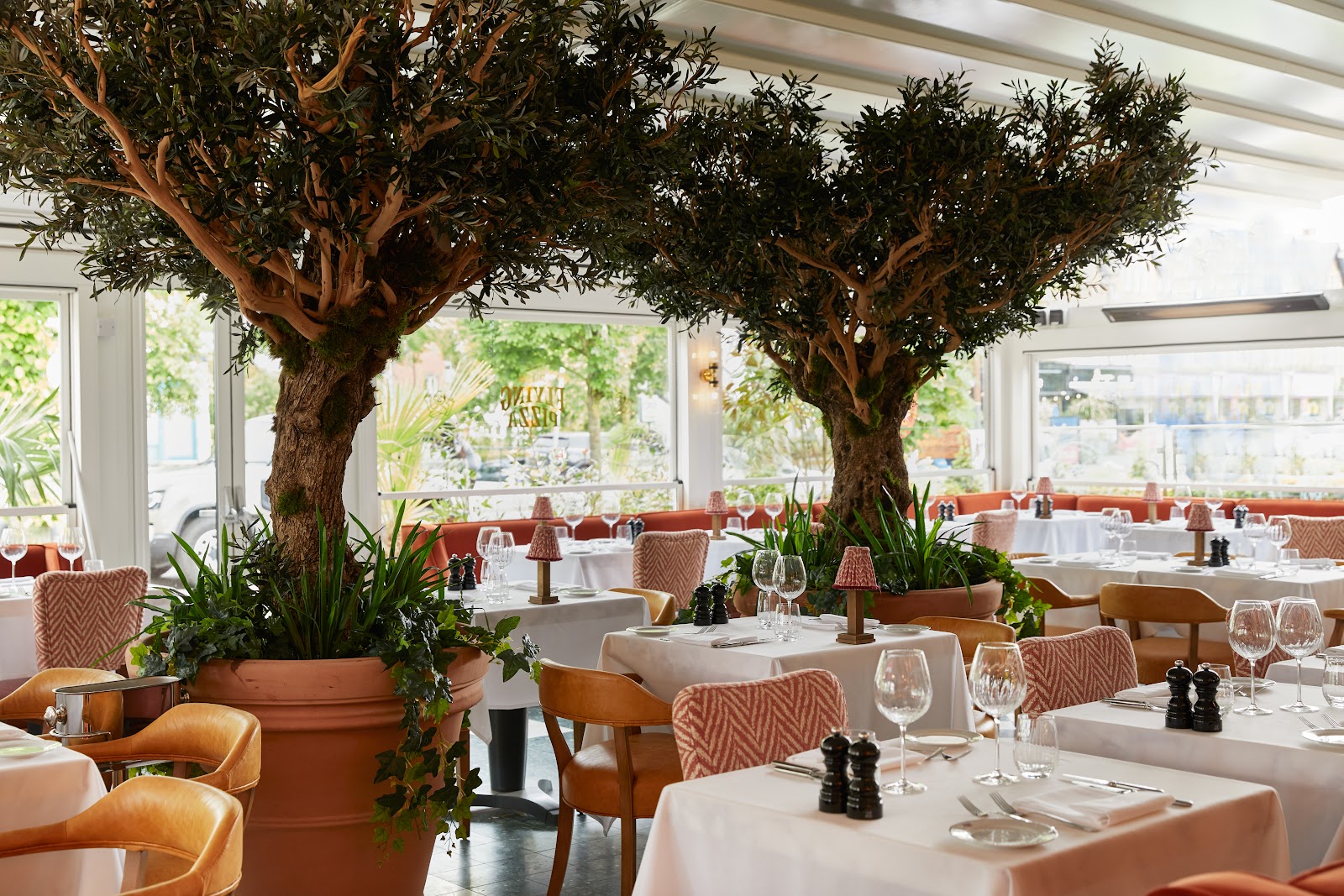
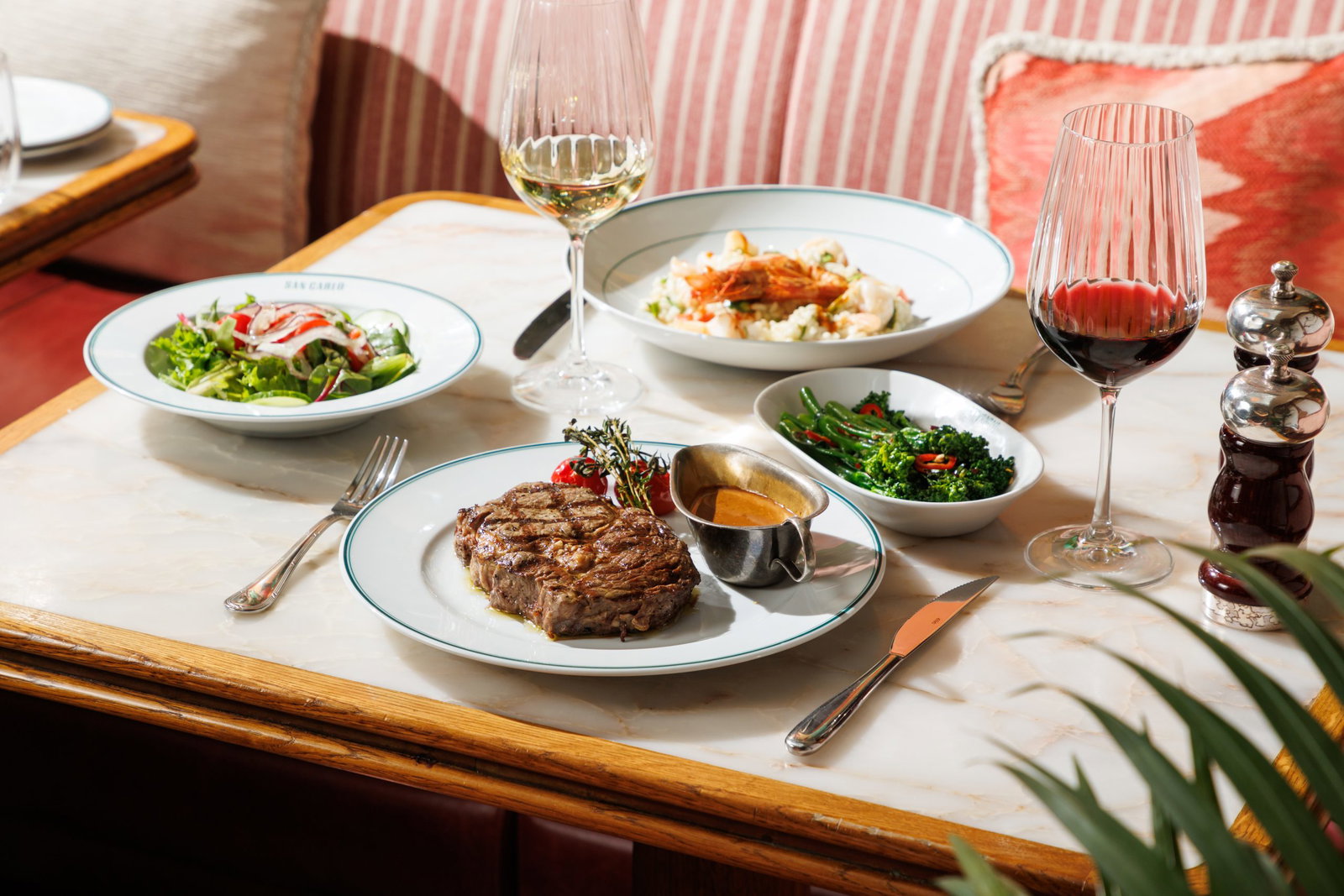
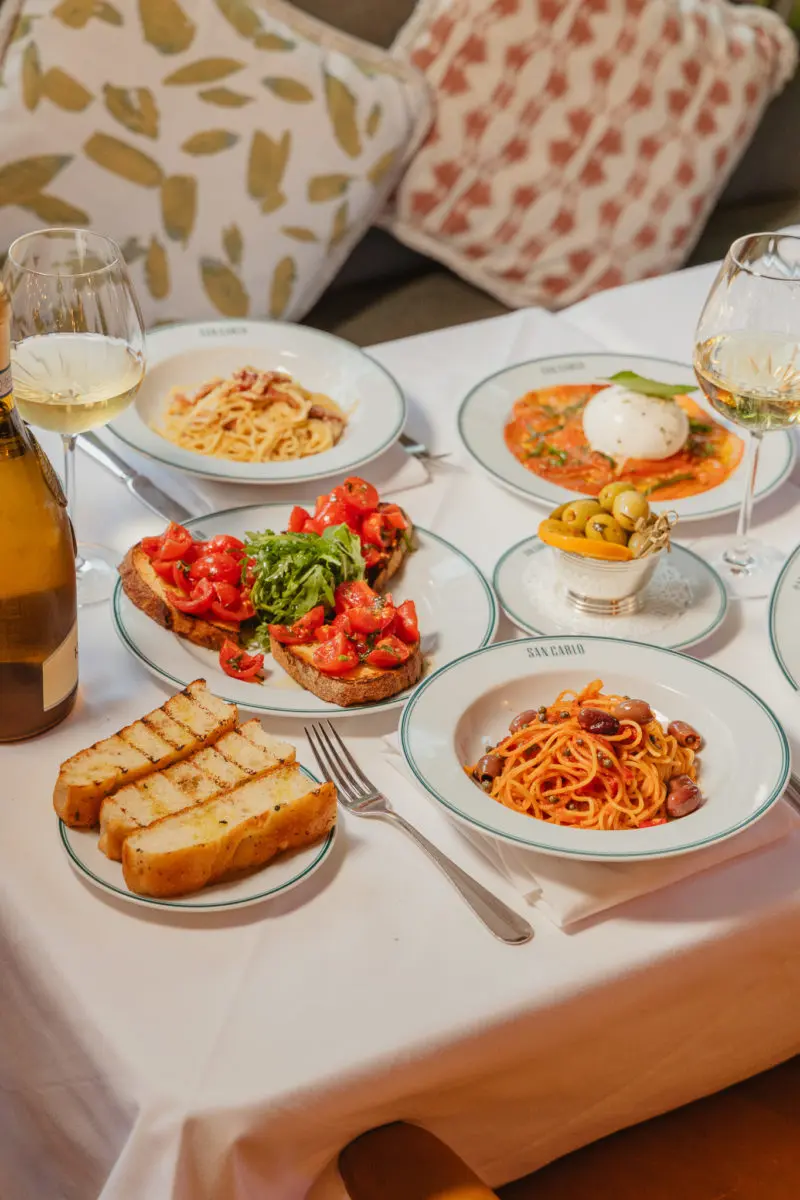
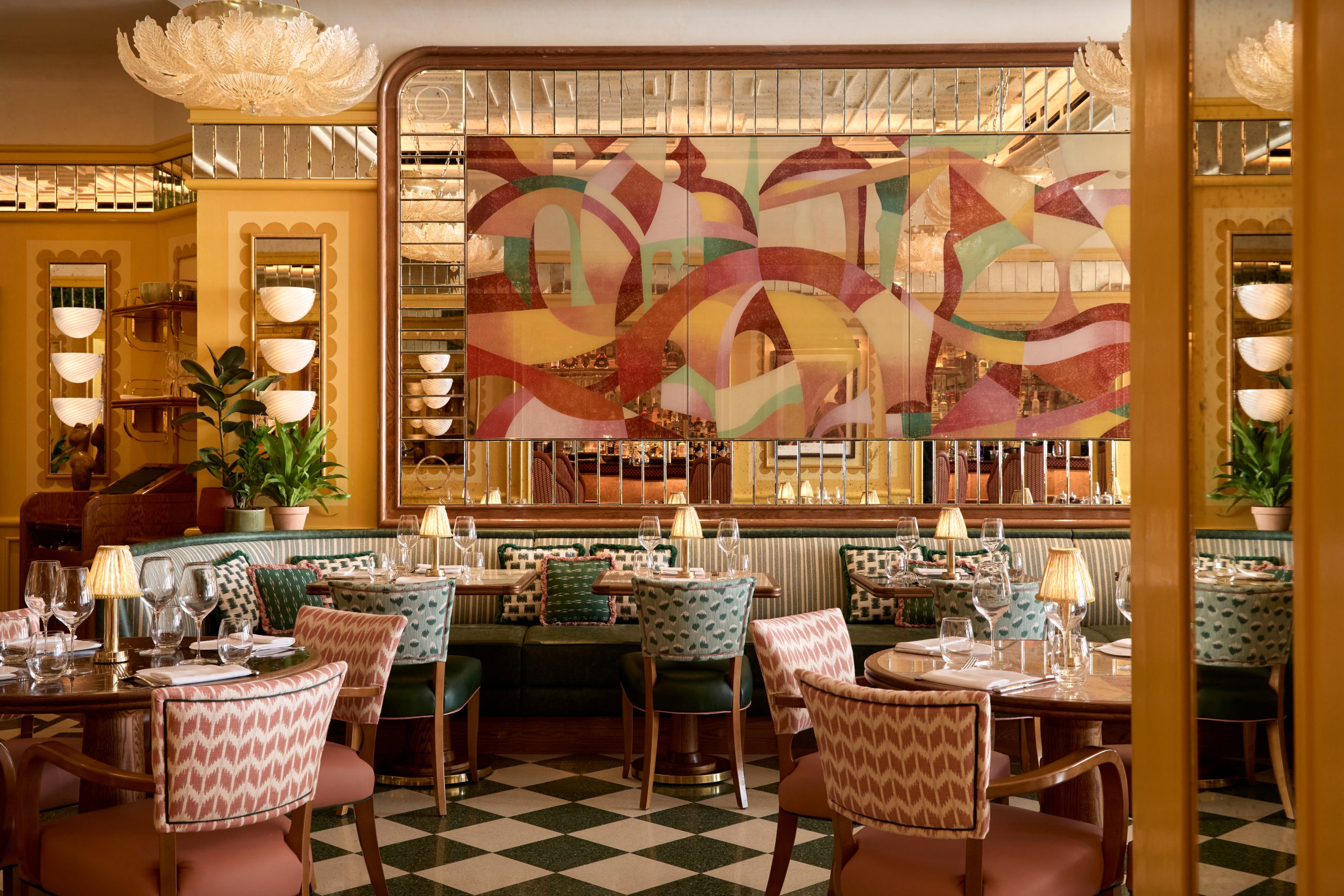
Celebrate Easter the Italian Way at San Carlo
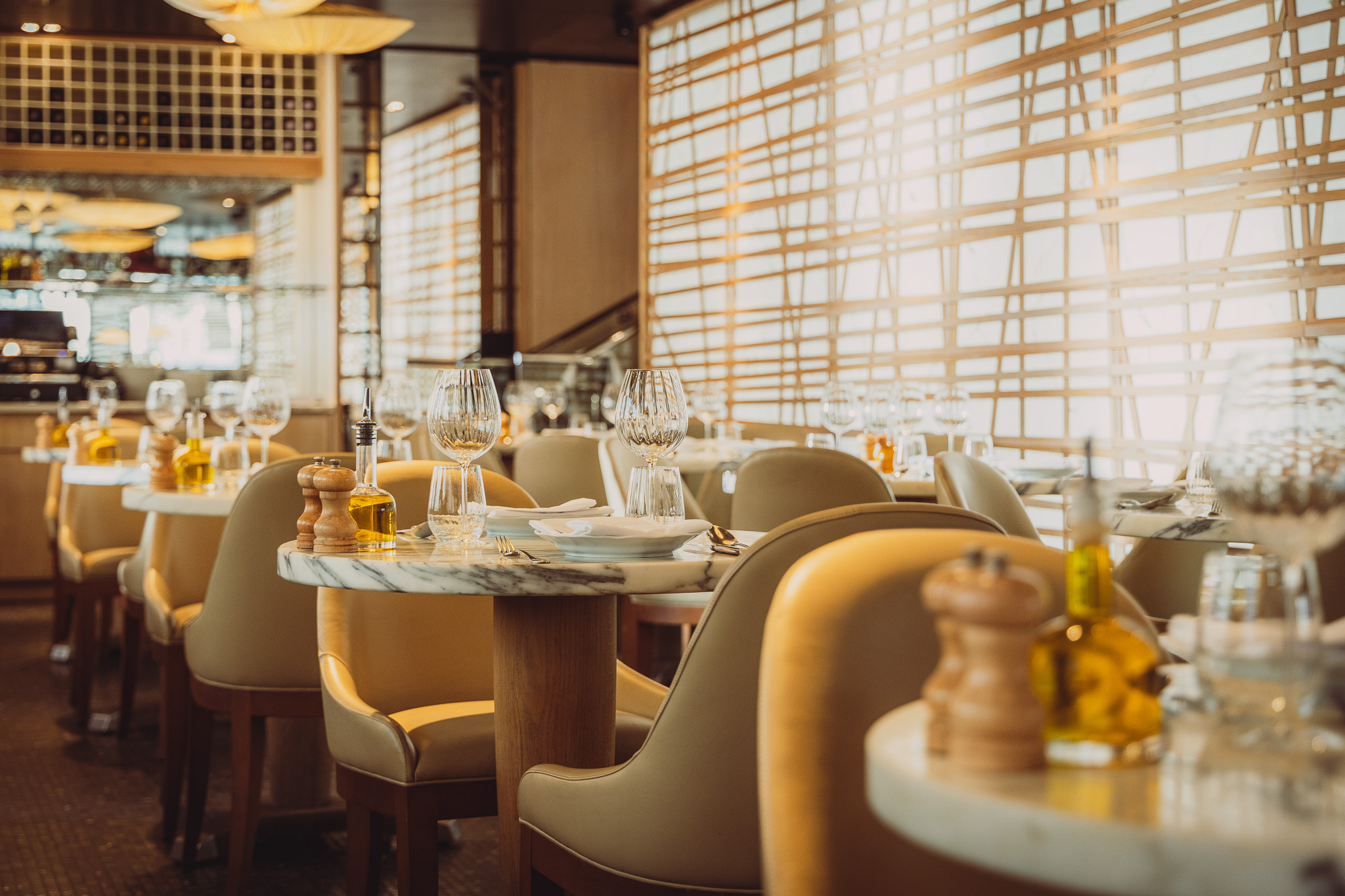
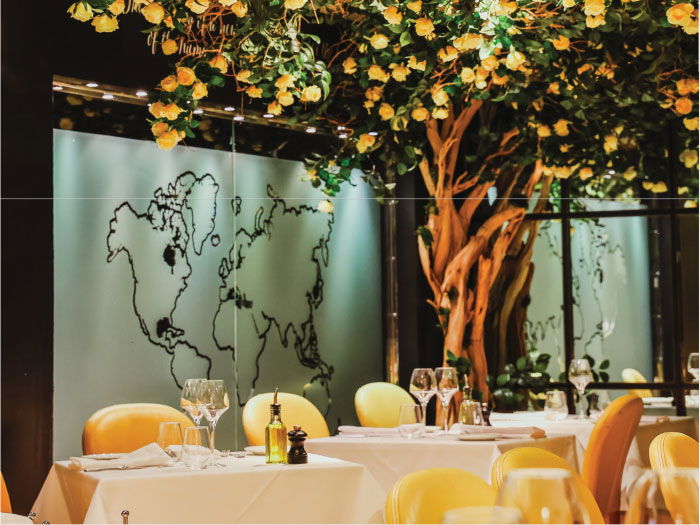
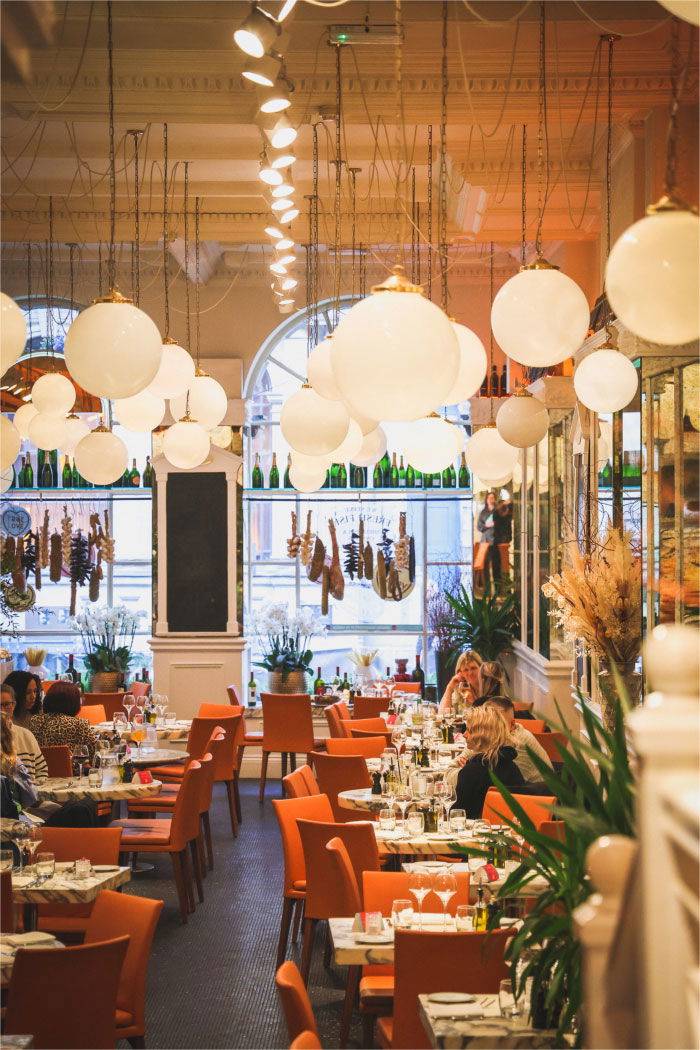
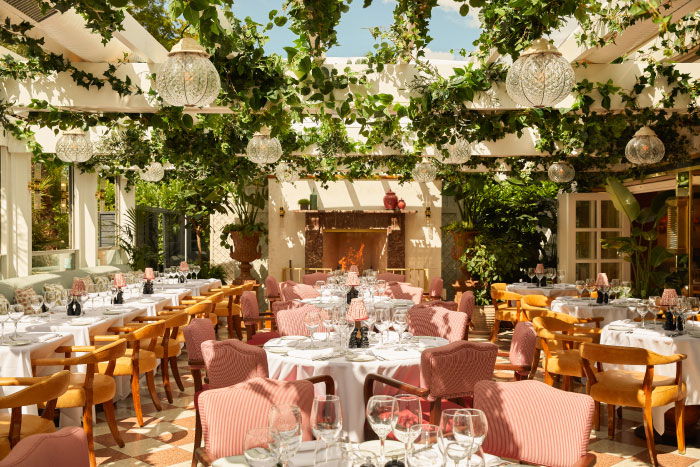
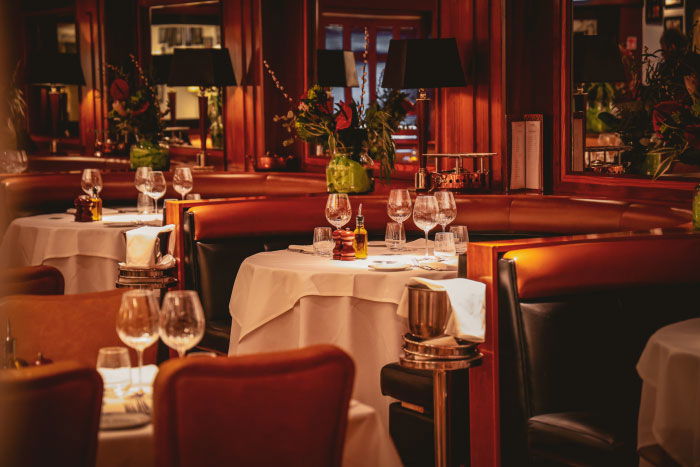
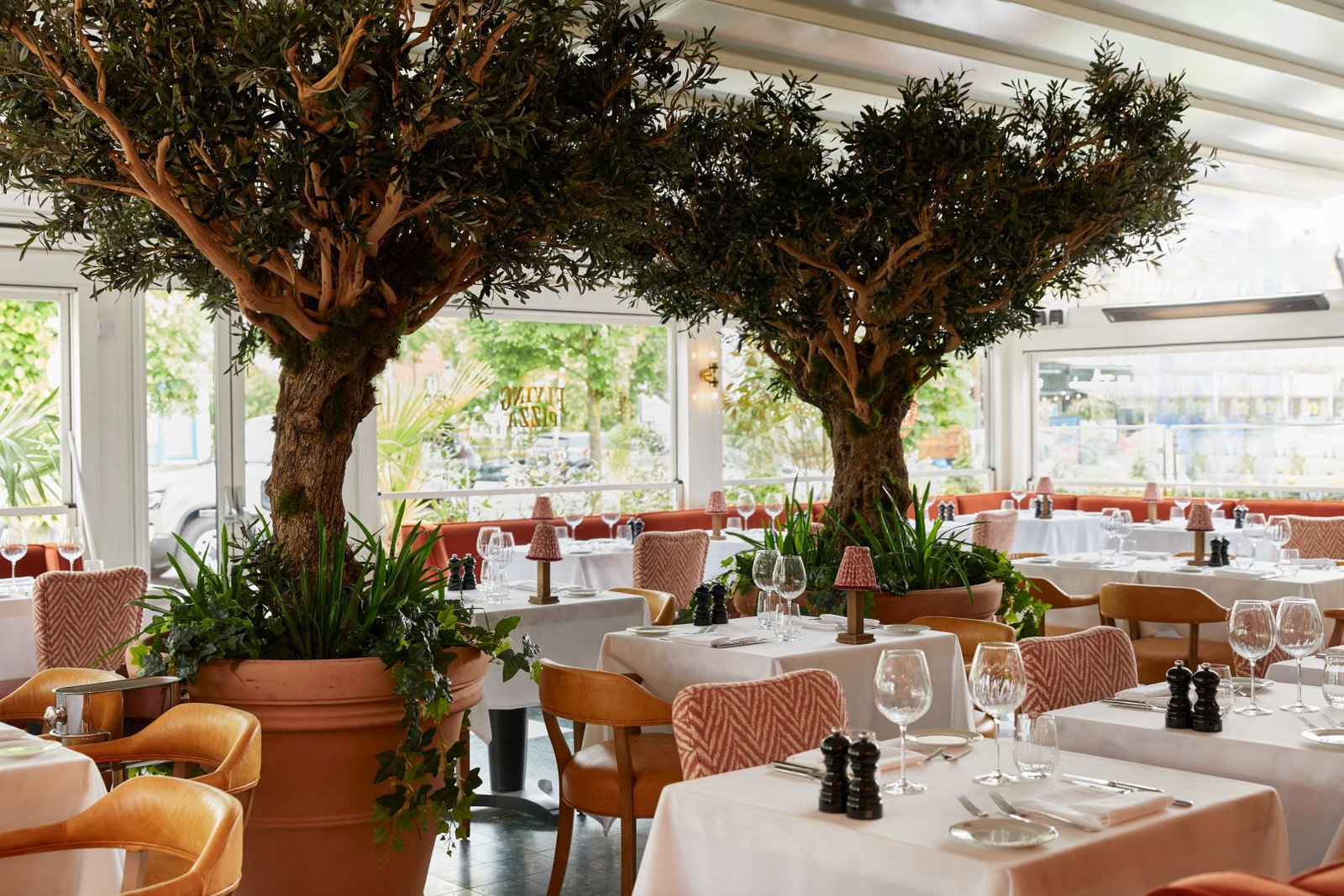
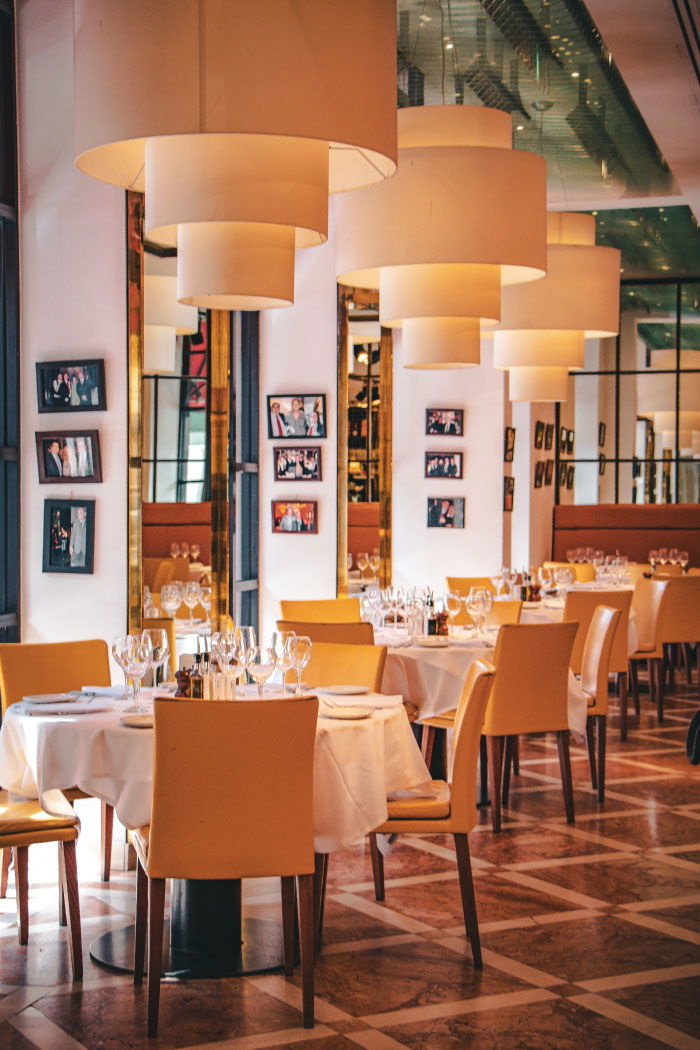
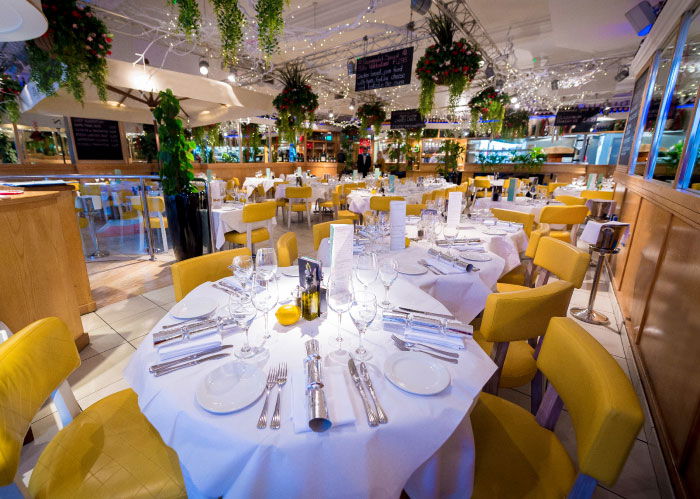
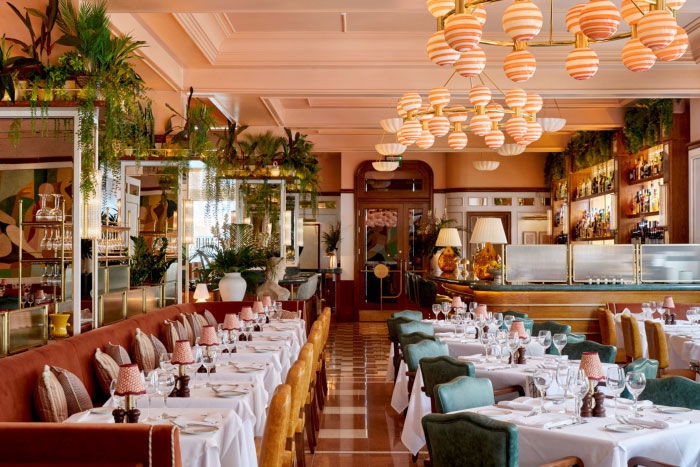
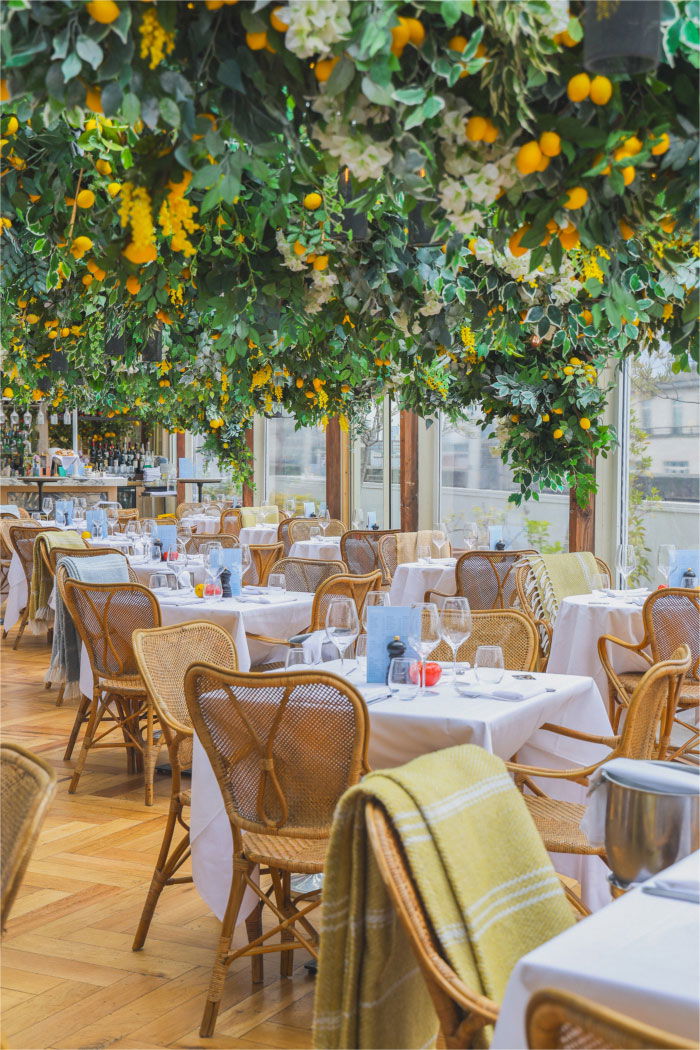
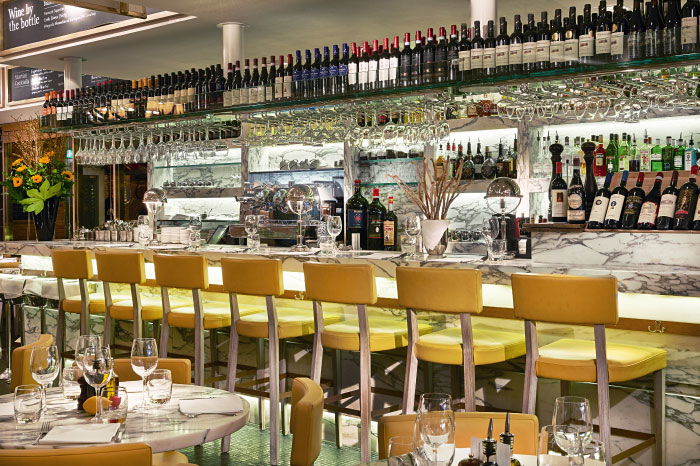
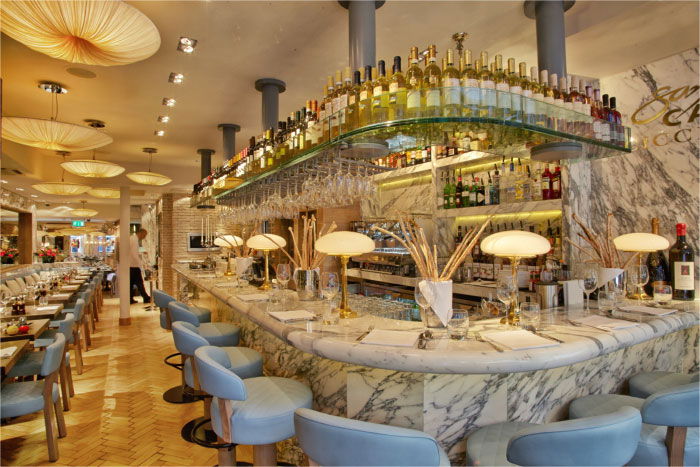
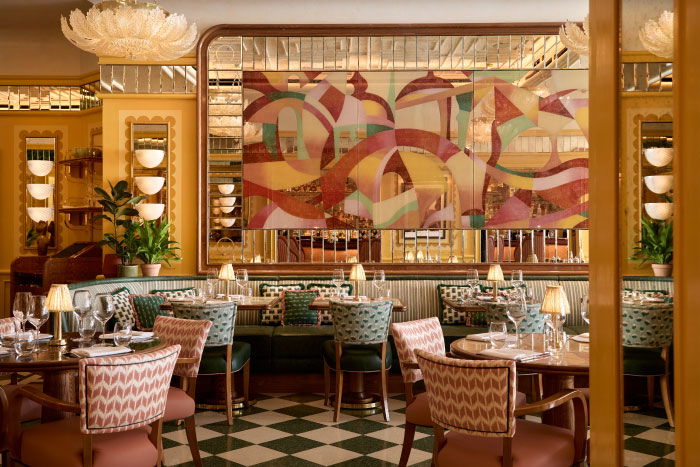
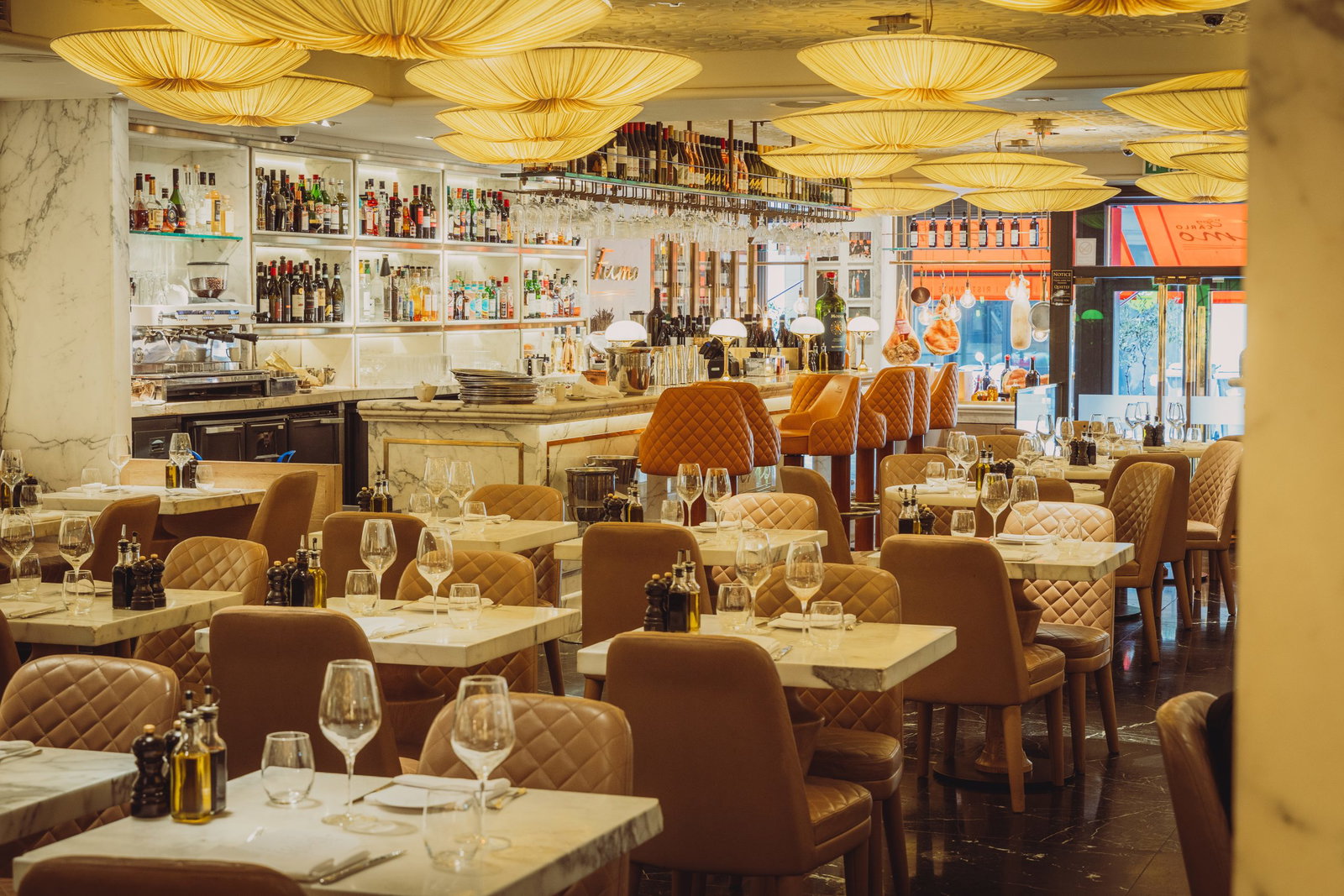
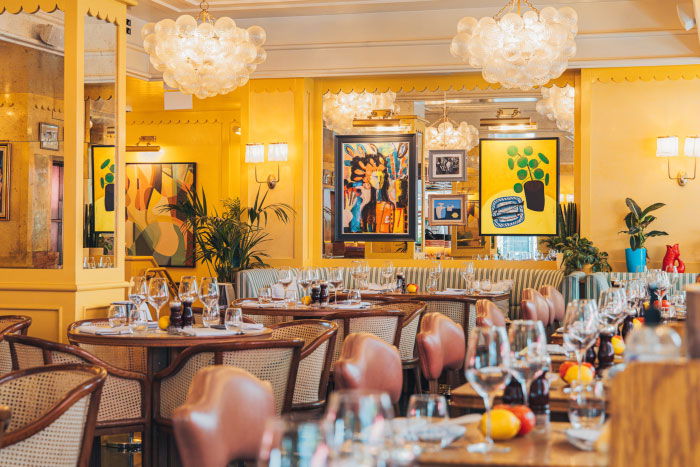
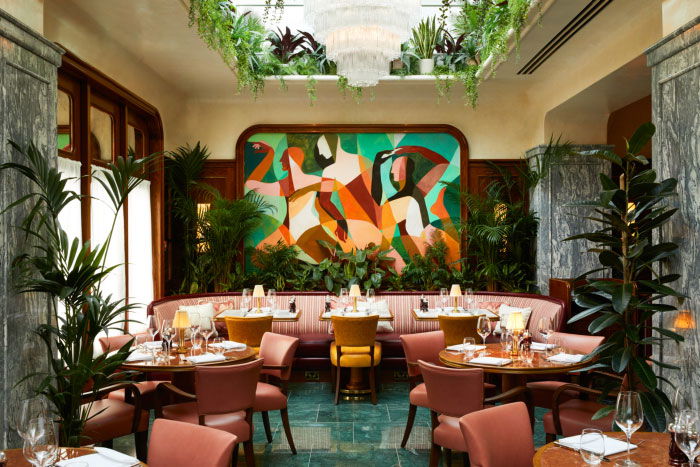
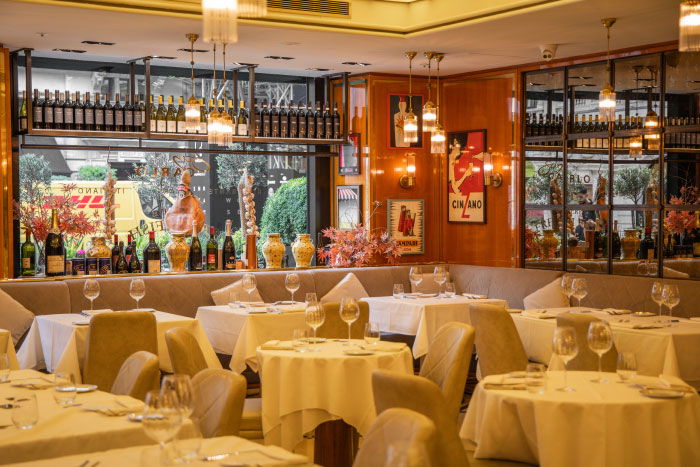
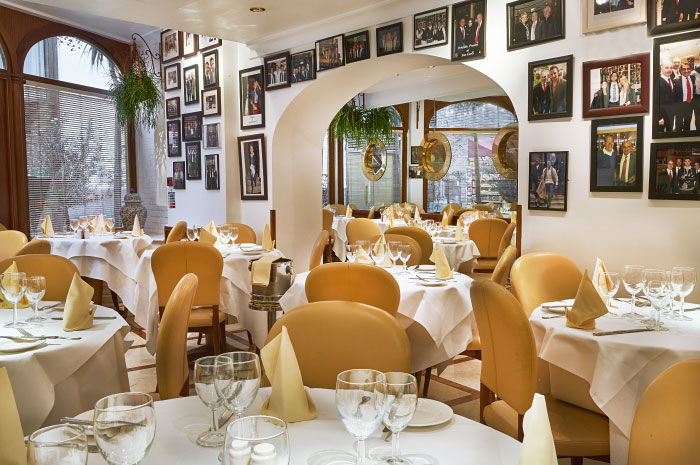
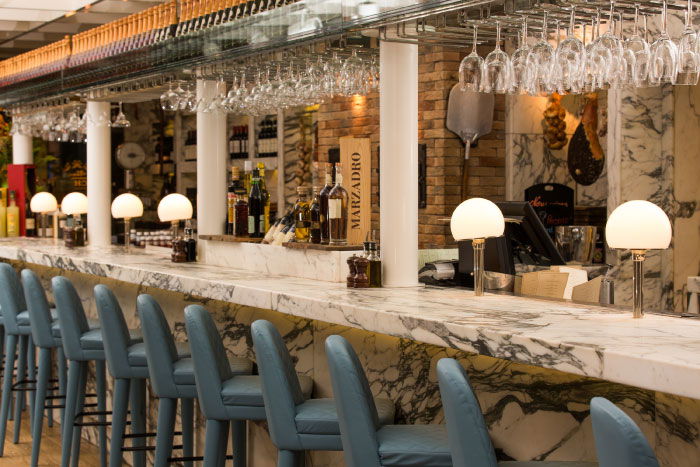
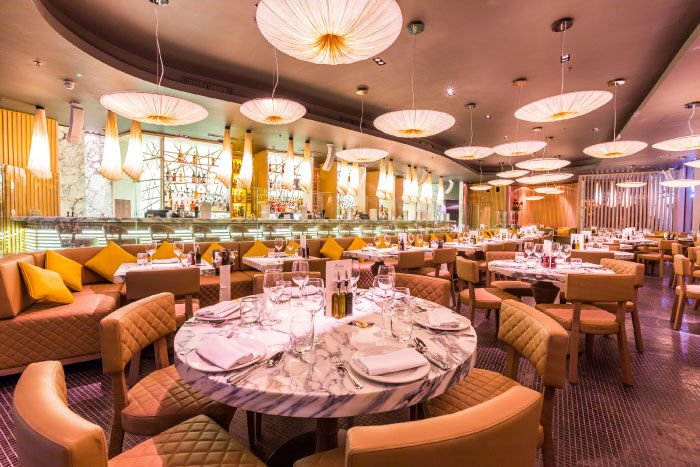
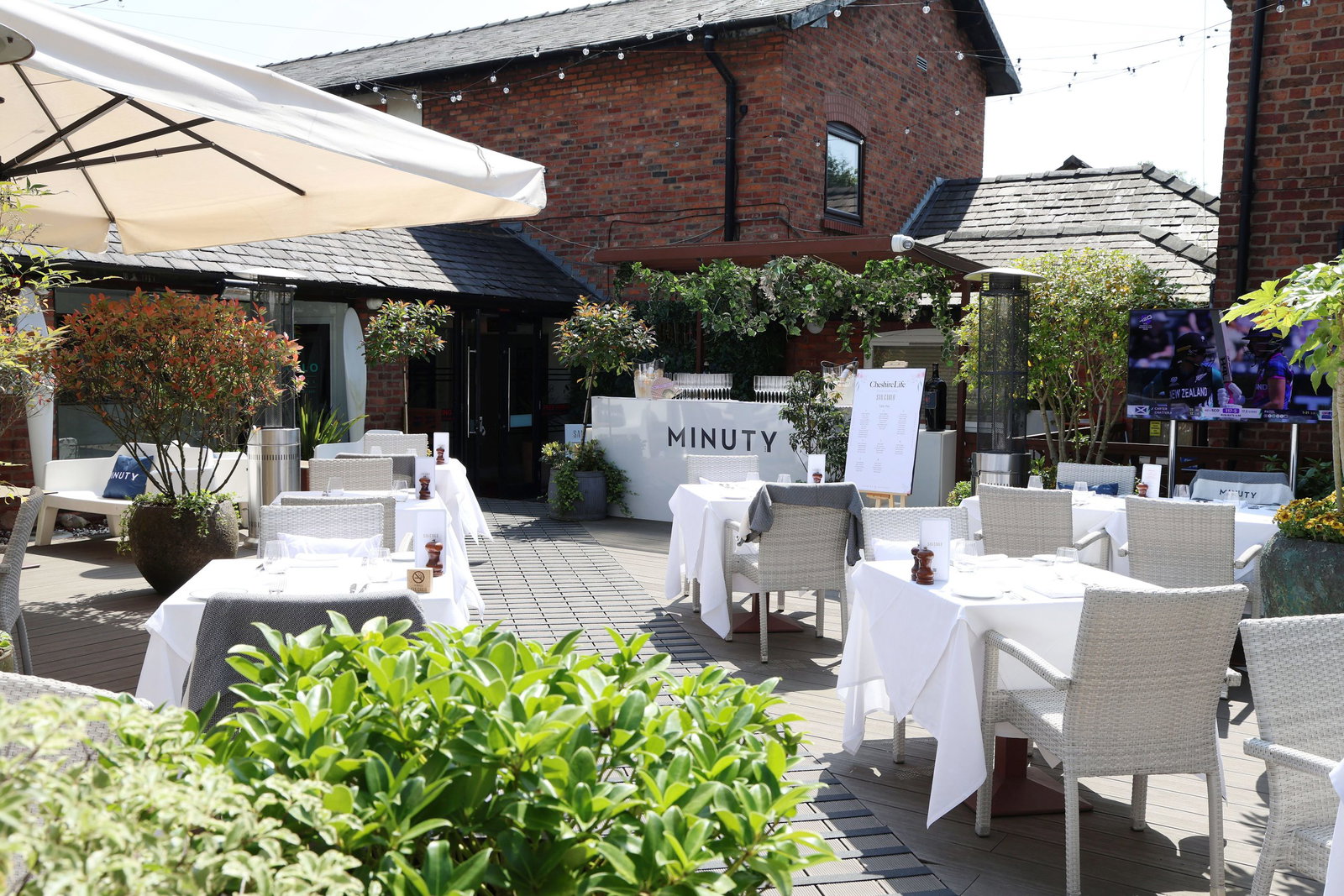
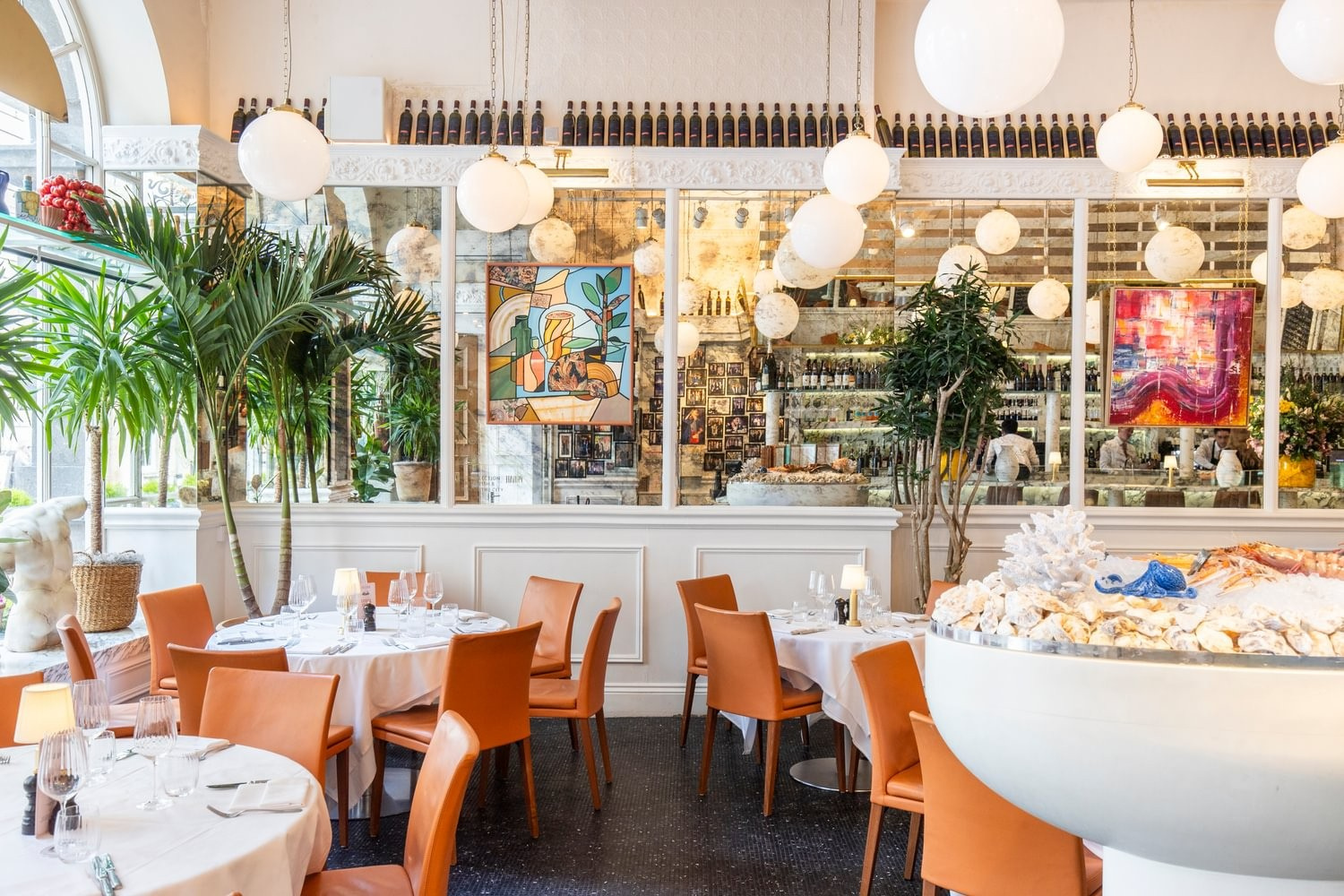
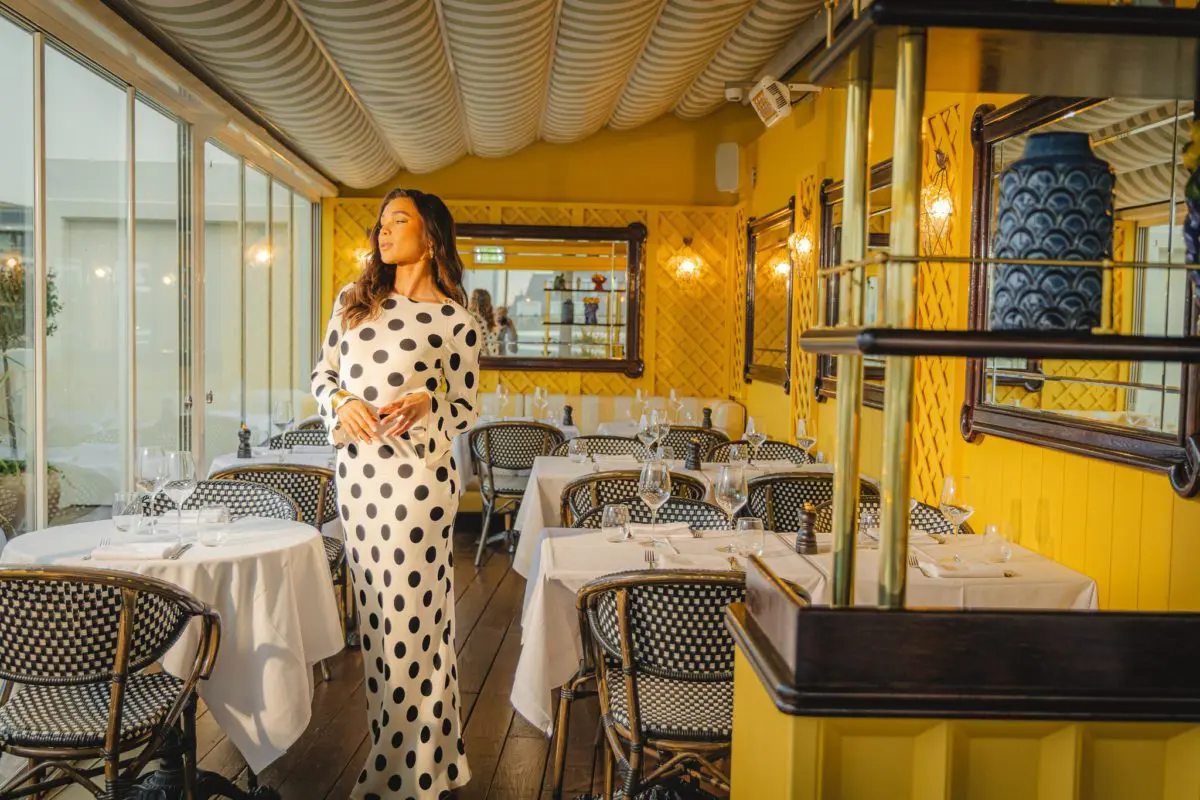
At San Carlo, Easter dining is inspired by the warmth and relaxed atmosphere of traditional Italian celebrations.
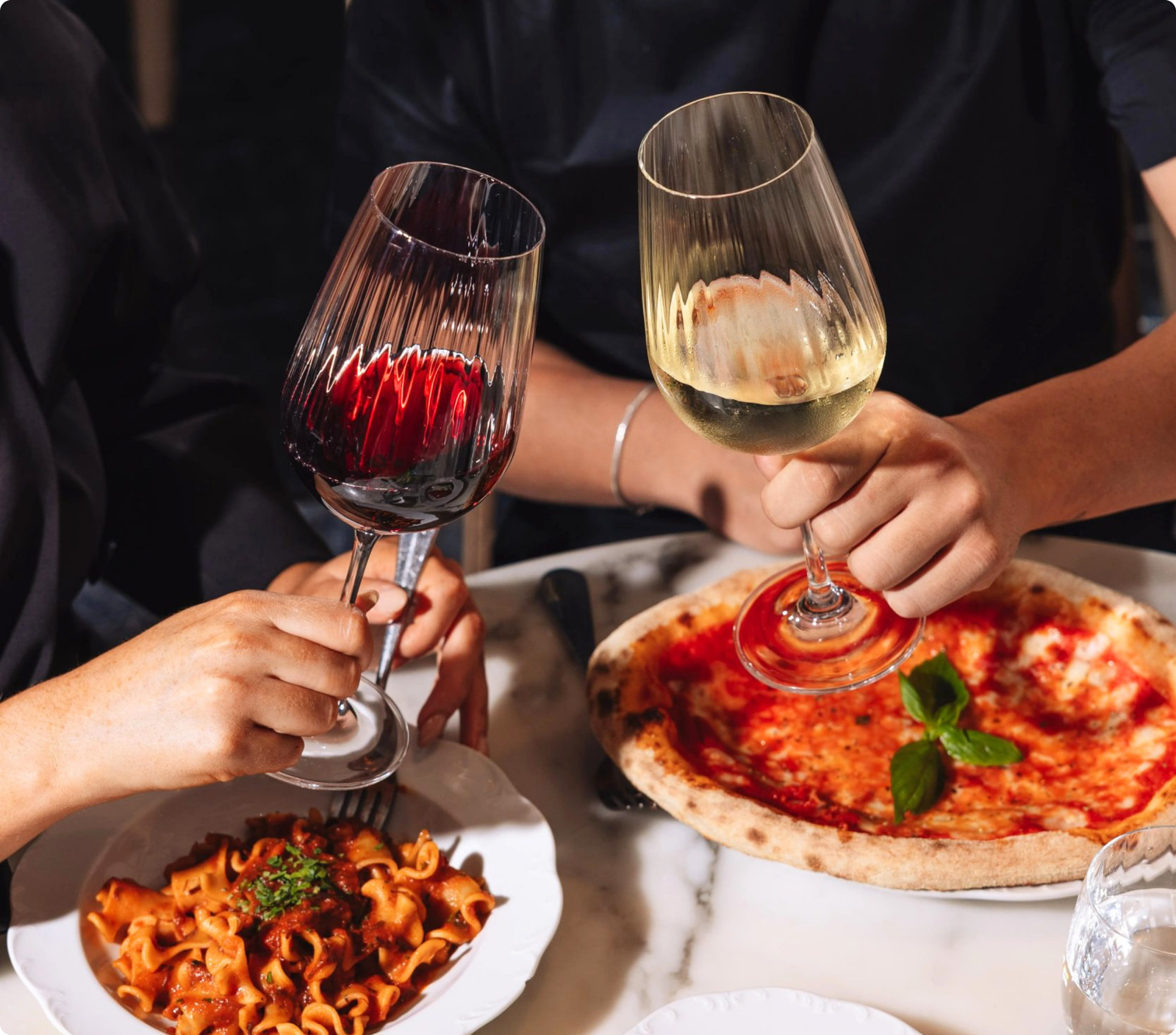
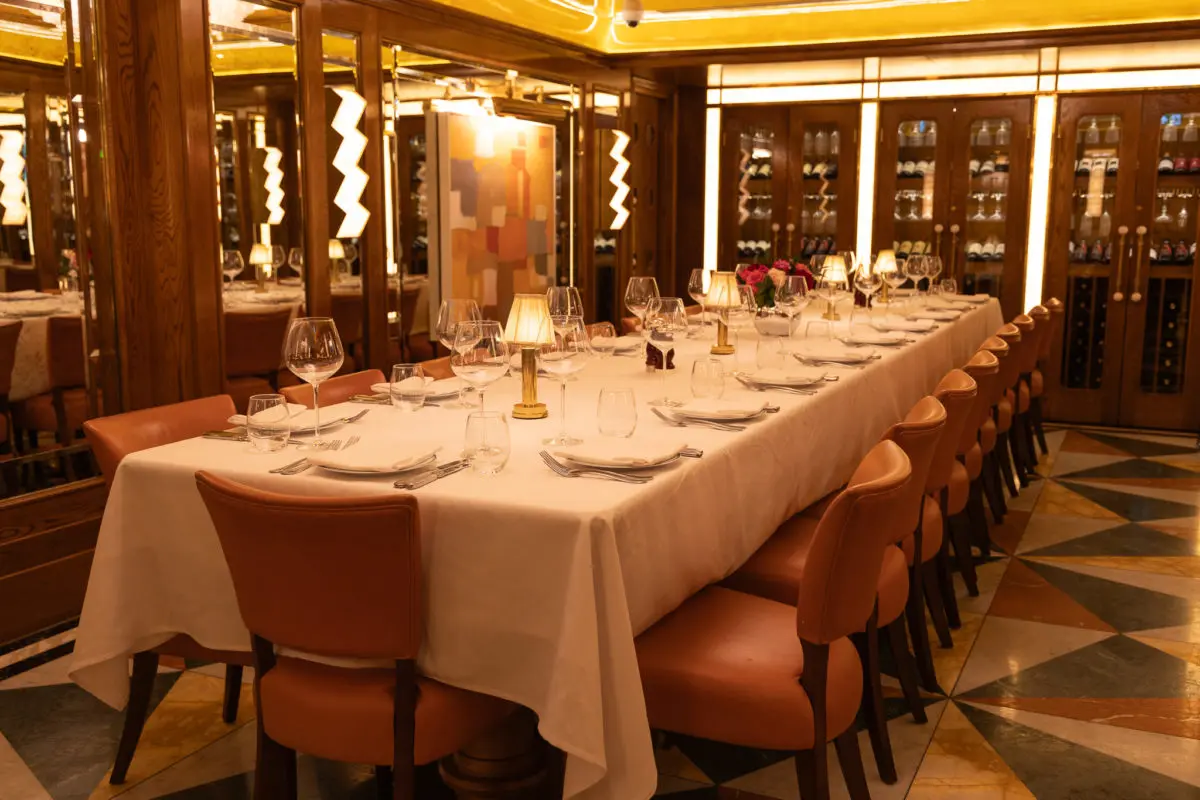
From long Easter lunches and Italian classics to indulgent desserts, cocktails and seasonal specials, discover Italian dining designed for gathering around the table with family and friends.
Whether you’re celebrating Easter Sunday, enjoying spring dining or planning a relaxed family lunch, experience Easter inspired Italian hospitality at San Carlo restaurants.
Book your Easter dining experience at San Carlo.




 CLOSE
CLOSE